

Neck Pain Treatment In Singapore
December 19, 2025
CONTENTS
Neck pain often starts quietly, with a stiff turn of the head, discomfort at your desk, or an ache that disrupts sleep. Over time, it can affect how you work, drive, rest, and focus.
In Singapore, long hours at a computer, frequent phone use, stress, and age-related spine changes are common contributors to ongoing neck discomfort.
For some people, neck pain goes beyond stiffness. It may be accompanied by headaches, tight shoulders, arm pain, or tingling sensations that interfere with daily life and concentration.
The reassuring news is that many neck pain conditions can be accurately identified and treated without open surgery. With the right diagnosis and targeted care, relief and movement can often be restored.
At Singapore Paincare, our specialists use the proprietary Painostic® diagnostic system to identify the real source of neck pain and guide personalised, minimally invasive treatments. The goal is to help you return to daily life with comfort and confidence.
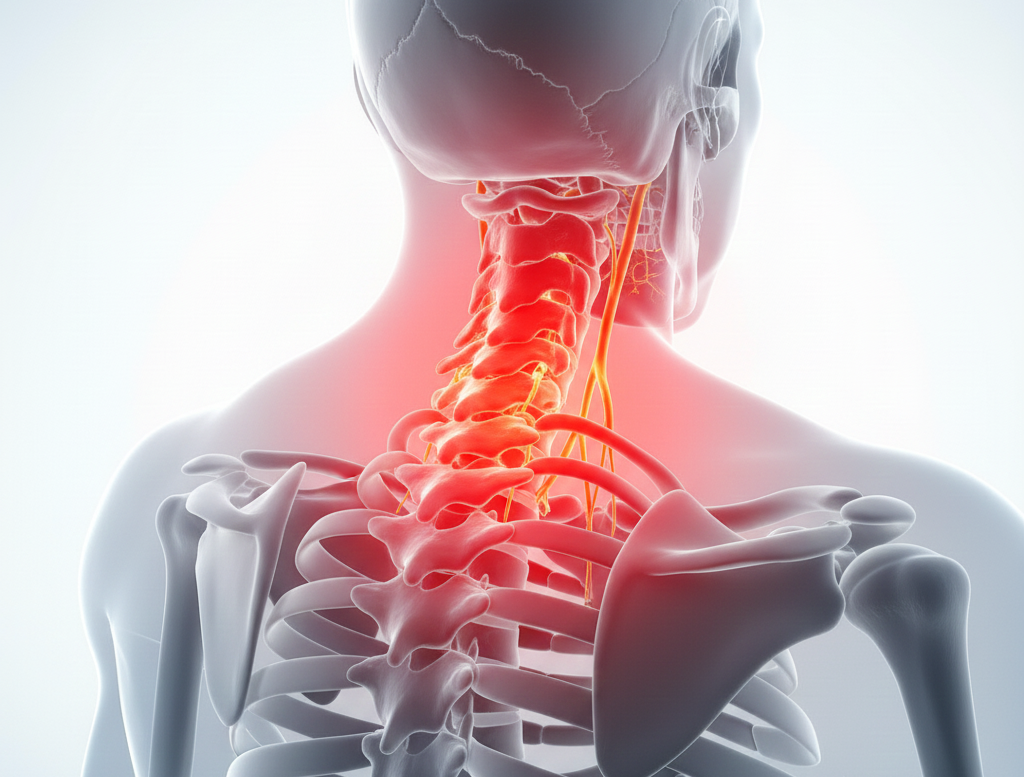
Understanding Neck Pain
Your neck supports the weight of your head while allowing a wide range of movement. This flexibility also makes it more vulnerable to strain, wear, and nerve irritation.
Neck pain may come from muscles, joints, discs, or nerves in the cervical spine. Symptoms can range from a dull ache or stiffness to sharp pain, restricted movement, or pain that travels into the shoulders and arms.
Because different structures can cause similar symptoms, identifying the exact source of pain is essential for effective and lasting relief.
Common Causes of Neck Pain
Neck pain may develop suddenly after an injury or gradually over time due to repeated strain or wear. Common causes include:
- Cervical muscle strain: Muscle tension caused by posture issues, prolonged screen use, or stress.
- Cervical spondylosis: Age-related wear and tear of the cervical spine, often leading to stiffness and aching.
- Slipped disc or bulging cervical disc: Disc changes that press on nearby nerves, causing neck pain, arm pain, or numbness.
- Cervical facet joint syndrome: Inflammation or degeneration of the small joints in the neck, commonly painful with movement or prolonged posture.
- Cervical nerve compression (radiculopathy): Irritation or compression of spinal nerves that can cause pain, tingling, or weakness spreading into the shoulder or arm.
- Whiplash injury: Sudden neck movement from accidents that overstretches muscles and ligaments.
When to See a Doctor for Neck Pain?
You should consider seeing a doctor if you experience:
- Neck pain that lasts for several days despite rest or simple pain relief
- Stiffness that limits head movement
- Pain that radiates to the shoulder, arm, or hand
- Numbness, tingling, or weakness in the arms
- Neck pain following an injury or accident
Seek immediate medical attention if neck pain is associated with severe trauma, worsening weakness, or changes in bladder or bowel control.
How Neck Pain Is Diagnosed?
Diagnosis begins with a careful clinical assessment to determine whether pain arises from muscles, joints, discs, or nerves. Imaging is used when it adds clarity to the diagnosis.
Common tools include:
- Ultrasound: helpful for assessing muscles and soft tissues, and for guiding precise injections.
- MRI: provides detailed evaluation of discs, nerves, and spinal structures in more complex cases.
Diagnosis is guided by both clinical findings and how the pain behaves in daily life, not by scans alone.
The Painostic® Approach at Singapore Paincare
At Singapore Paincare, our specialists use the Painostic® approach, which looks beyond imaging results alone. Diagnosis integrates medical history, posture evaluation, movement analysis, pain mapping, and lifestyle factors to identify the real source of neck pain.
Each patient is assessed across five key dimensions: pain pattern, underlying pathology, pain perception, psychological impact, and individual treatment goals. This allows our doctors to understand not only where the pain is located, but how it behaves and how it affects everyday life.
Treatment is guided through structured protocols that focus on diagnostic clarity, targeted planning, and precise delivery. This approach supports minimally invasive care, reduces unnecessary surgery, and keeps patients informed at every step of their treatment journey.
Neck Pain Treatment Options in Singapore
Treatment depends on the cause, severity, and individual needs of each patient.
Conservative Treatments
Many patients improve with non-surgical care, including:
- Rest and activity modification to reduce strain
- Physiotherapy to improve posture, strength, and flexibility
- Medications such as anti-inflammatory or pain relief agents when appropriate
- Heat or cold therapy to ease muscle tension and inflammation
Minimally Invasive Treatments for Neck Pain

When neck pain does not improve with rest, physiotherapy, or medication, it often means the pain is coming from a specific structure such as a muscle, joint, disc, or nerve. In these situation, targeted procedures can treat the pain source while avoiding open surgery. At Singapore Paincare, we offer a range of minimally invasive treatments that relieve pain precisely at its origin.
Myospan® Injections
Myospan injections are used when neck pain originates from muscles, ligaments, joints, or nearby nerves. These treatments are particularly helpful for patients with muscle tension, postural strain, joint inflammation, or pain that worsens with movement or prolonged sitting.
By delivering medication directly to the pain generator, Myospan injections reduce inflammation, calm irritated tissues, and interrupt pain signals more effectively than oral medication alone.
- Coreflex Injections: Coreflex injections are commonly used for muscle-related neck pain and soft tissue inflammation. They combine a local anaesthetic, anti-inflammatory medication, and muscle relaxant to relieve muscle spasm, reduce stiffness, and improve neck movement. Many patients notice easier head rotation and reduced tightness after treatment.
- Platelet-Rich Plasma Prolotherapy: PRP prolotherapy is considered when neck pain is related to weakened ligaments or chronic soft tissue strain. Using concentrated platelets from your own blood, this treatment supports tissue repair and stability in the neck. It is often used for patients with recurring pain linked to posture-related strain or minor instability.
- Intra-Articular Injections: Facet joints are small joints in the neck that guide movement. When inflamed or worn, they can cause localised neck pain that worsens with turning or looking up. Intra-articular injections deliver medication directly into the affected joint to reduce inflammation, ease stiffness, and restore smoother movement.
- Myofascial Pain Injections: Tight muscle bands, often called trigger points, are a common source of persistent neck pain and tension headaches. Myofascial pain injections release these tight areas, helping reduce referred pain to the shoulders or head and allowing muscles to relax more fully.
- Peripheral Nerve Blocks: When neck pain involves nerve irritation but not severe compression, peripheral nerve blocks can be used to temporarily interrupt pain signals. This helps reduce pain, improve comfort, and confirm the role of specific nerves in the pain pattern, which can guide longer-term treatment planning.
Neurospan® Treatments
Neurospan treatments are used when neck pain is related to spinal discs, nerve compression, or chronic nerve sensitivity. These procedures are more targeted and are designed to address pain at its spinal source.
- Neuroplasty: Neuroplasty is used when cervical nerves become irritated or trapped due to inflammation or scarring. A fine catheter is guided to the affected area to release adhesions and deliver medication directly around the nerve. This can improve nerve movement, reduce inflammation, and relieve radiating neck and arm pain.
- Nucleoplasty: When a bulging or herniated cervical disc presses on a nerve, it can cause neck pain, arm pain, or tingling sensations. Nucleoplasty reduces pressure within the disc using a fine needle and controlled energy. This helps relieve nerve compression while preserving the structure of the spine.
- Radiofrequency Ablation: For patients with confirmed facet joint–related neck pain, radiofrequency ablation can provide longer-lasting relief. This procedure uses controlled heat to reduce pain signals from the small nerves supplying the facet joints, allowing improved neck movement and reduced pain during daily activities.
- Pulsed Radiofrequency: Pulsed radiofrequency is used for selected nerve-related neck pain where calming the nerve is preferred over disrupting it. It helps reduce nerve sensitivity without damaging the nerve, making it suitable for certain chronic pain patterns.
- Spinal Cord Stimulation: In carefully selected patients with chronic neck pain that has not responded to other treatments, spinal cord stimulation may be considered. This implantable device modifies how pain signals are processed by the nervous system, helping reduce the perception of pain and improve quality of life.
Surgical Treatments
Surgery is rarely needed for neck pain. Most patients improve with accurate diagnosis, conservative care, or minimally invasive treatments. Surgery is considered only when there is clear structural damage causing ongoing pain, nerve compression, or weakness that does not improve with other options. Depending on the condition, surgery may involve:
- Cervical discectomy to remove disc material pressing on a nerve
- Cervical fusion to stabilise affected spinal segments
- Artificial disc replacement in selected cases to preserve neck movement
- Decompression surger, to relieve pressure from spinal narrowing
Why Choose Singapore Paincare?
Minimally Invasive Pain Relief
Our pain specialists have extensive experience in precision-guided, non-surgical treatments designed to target neck pain at its source while helping you recover with minimal discomfort and downtime.
The Painostic® system
Our Painostic® Approach designed to uncover the real source of pain. Rather than focusing only on scans or X-rays, this method looks at your complete picture: your medical history, posture, lifestyle habits, and how your pain behaves in daily life.
Pain can be complex. Sometimes, scans appear normal even when discomfort is real, or visible findings do not explain what you feel. The Painostic® framework helps our doctors make sense of these situations by distinguishing between:
- Functional pain – related to nerves, muscles, and movement
- Structural pain – linked to joint, bone, or tissue changes
Our specialists study five key aspects — pattern, pathology, perception, psychology, and treatment goals — to create a diagnosis that is truly individualised.
From there, the Painostic® process guides your care using three structured clinical protocols:
- Diagnostic Formulation – a thorough, multi-angle assessment of your pain experience.
- Injection Roadmap – a clear, step-by-step plan for targeted pain management using clinical feedback and precision tools.
- Injection Technique – a refined procedure that ensures medication is delivered accurately to the affected area.
This approach supports personalised and minimally invasive treatments, helping patients recover faster while avoiding unnecessary surgery whenever possible. Throughout the process, our doctors keep you informed and involved, so every step of care is clear and confident.
Frequently Asked Questions About Neck Pain Treatment in Singapore
Q1: What is the best doctor to see for neck pain?
The best doctor to see for neck pain depends on the cause of your symptoms. If neck pain is persistent, recurring, or associated with arm pain, numbness, or stiffness, a neck pain specialist is often well suited to assess and manage the condition.
Pain specialists focus on identifying the exact source of pain, whether it comes from muscles, joints, discs, or nerves. They are trained to use targeted, minimally invasive treatments and to coordinate care such as physiotherapy or rehabilitation when needed. This approach can help relieve pain effectively while avoiding unnecessary surgery.
Q2: What is the most effective treatment for neck pain?
There is no single treatment that works best for everyone. The most effective treatment for neck pain is one that is matched accurately to the underlying cause.
For some patients, neck pain improves with physiotherapy, posture correction, and activity modification. For others, especially when pain persists or involves nerves or joints, targeted minimally invasive treatments such as injections or nerve-based procedures may be more effective.
At Singapore Paincare, treatment is guided by the Painostic® approach, which focuses on identifying the true pain source first. This allows treatment to be precise, appropriate, and more likely to provide lasting relief.
Q3: When should I see a doctor for neck pain?
You should consider seeing a doctor if neck pain lasts more than a few days, keeps returning, or interferes with work, sleep, or daily activities. Medical assessment is also recommended if pain spreads to the shoulder or arm, or if you experience numbness, tingling, or weakness. Early evaluation can help prevent pain from becoming chronic and reduce the risk of ongoing discomfort.
Q4: Do I need an MRI for neck pain?
Not always. Many cases of neck pain can be assessed through clinical examination and ultrasound. An MRI is usually reserved for cases where nerve compression, disc problems, or more complex spinal conditions are suspected. Your doctor will advise if imaging is necessary based on your symptoms and examination findings.
Q5: Are minimally invasive treatments safe for neck pain?
When performed by experienced specialists and guided by accurate diagnosis, minimally invasive treatments are generally safe and effective. They are designed to target the source of pain directly, with minimal disruption to surrounding tissues and shorter recovery times compared to surgery.
Your doctor will discuss potential benefits and risks before recommending any procedure.
Q6: Is neck pain treatment in Singapore Medisave claimable?
Certain neck pain treatments and procedures may be Medisave claimable, depending on the diagnosis, treatment type, and prevailing MOH guidelines. Coverage varies between individuals and insurance plans. Our clinic staff can help advise on eligibility and claims during your consultation.
Q7: How long does it take to recover from neck pain treatment?
Recovery time depends on the type of treatment and the underlying condition. Many patients experience improvement within days after minimally invasive procedures, with minimal downtime.
Take Control of Your Neck Pain
Neck pain does not have to be something you live with. With accurate diagnosis and a personalised, minimally invasive treatment plan, many patients regain comfort, mobility, and confidence in daily life.
Book a consultation today to discuss your symptoms and learn about neck pain treatment options in Singapore that are guided by clarity, care, and experience.