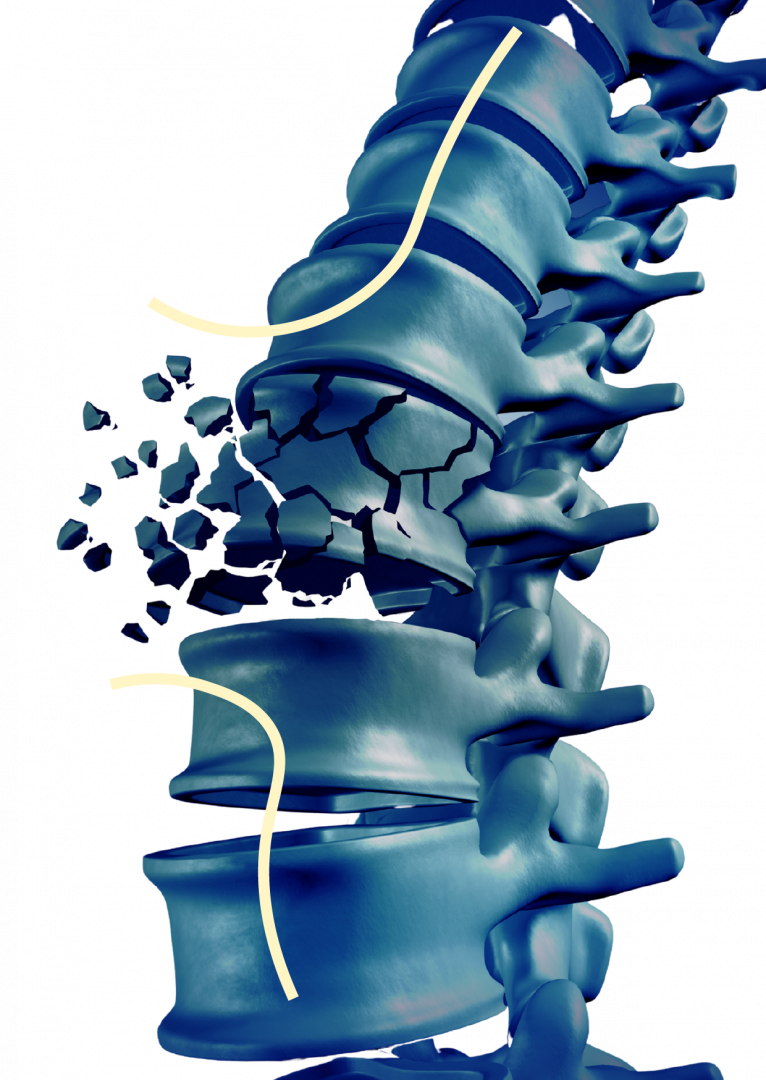
What is Osteoporosis?
Osteoporosis is often called a silent disease, as most people do not feel any changes in their bones or experience pain as bone loss progresses. Osteoporosis develops when the body loses too much bone, produces too little new bone, or both.
As bones become more brittle, even a fall, a sneeze or a slight collision can be enough to cause a fracture.
Osteoporosis itself does not cause pain. When back or hip pain does occur, it is usually because a fracture has taken place in the weakened bone, leading to pain, instability and, in some cases, visible deformity.
What Are the Risk Factors for Osteoporosis?
Medical Conditions
Certain medical conditions can put patients at greater risk of bone loss, falls and fractures, including:
- Rheumatoid arthritis and other rheumatological conditions
- Malabsorption syndromes
- Sex hormone deficiency (hypogonadism)
- Primary hyperparathyroidism
- Chronic kidney disease
- Chronic liver disease
- Diabetes
Secondary Osteoporosis
Secondary osteoporosis develops as a result of another disease or condition, or from the treatment of one. Certain drugs and diseases can contribute to bone loss, falls and fractures:
- Steroid medicines can increase the chance of bone loss and developing osteoporosis.
- Some breast cancer drugs, prostate cancer drugs and “heartburn” drugs have been associated with reduced bone mineral density.
- Excessive thyroid hormone replacement in older adults has been associated with abnormal heart rhythms and muscle weakness, which increases the risk of falls. It can also reduce bone mineral density and bone quality.
- Anti-seizure and mood-altering drugs have been associated with reduced bone density, believed to be linked to low vitamin D and decreased calcium absorption. Drugs that act on the central nervous system, such as some antidepressants, sleep aids and antipsychotic medications, can also increase fall risk by causing drowsiness, confusion, a drop in blood pressure or changes in nerve and muscle function. This risk tends to increase with more medications, particularly when starting or suddenly stopping them.
- Blood pressure medication can increase the risk of falls and fractures in older adults, particularly in the first few weeks of treatment when blood pressure drops. These medications remain important for reducing the risk of heart attack and stroke, so caution is advised when starting them, rather than avoiding them altogether.
What Are the Symptoms of Osteoporosis?
The risk of fracture increases with osteopenia or osteoporosis. The associated reduction in quality of life and mortality risk is significant, and comparable to other major medical conditions such as cancers. Look out for the following symptoms:
How Is Osteoporosis Diagnosed in Singapore?
Osteoporosis does not develop overnight. Bone mass can be lost steadily over many years without any symptoms, often until a fracture occurs. If osteoporosis is first diagnosed at the point of fracture, it is usually already fairly advanced. This is why early detection of bone loss is important in preventing osteoporotic fractures. In Singapore, the identification and management of osteoporosis in primary care follows guidance from the Ministry of Health’s Agency for Care Effectiveness (ACE) [3].
OSTA Self-Assessment
The OSTA (Osteoporosis Self-Assessment Tool for Asians) is a quick and simple test for Asian women to help assess their risk of osteoporosis.
DXA Bone Density Scan
If your risk is assessed as medium or high, it is important to see your doctor as soon as possible. Medium risk generally correlates with osteopenia, which refers to early signs of bone loss that can, in some cases, progress to osteoporosis. Not everyone with osteopenia goes on to develop osteoporosis.
Bone health is measured by bone density, which reflects the amount of minerals, such as calcium, in your bones. Higher bone density generally indicates stronger bones. To determine bone density, your healthcare provider will usually carry out a DXA (Dual X-ray Absorptiometry) bone scan, which focuses on three main areas: the hip, spine and wrist. DXA is available and accessible in Singapore [2].
What Are the Treatment Options for Osteoporosis in Singapore?
Treatment for osteoporosis aims to provide pain relief, improve movement and support strength. Depending on the individual, treatment may include:
Why See a Pain Specialist for Osteoporosis?
Osteoporosis itself is generally managed by your primary care doctor, together with specialists such as endocrinologists, orthopaedic surgeons or geriatricians. A pain specialist becomes especially relevant when an osteoporosis-related fracture causes ongoing back or hip pain, since managing that pain and restoring movement is their specific area of focus.
At Singapore Paincare, our specialists offer minimally invasive treatment options, such as vertebroplasty, for spinal fractures caused by osteoporosis, alongside long-term monitoring to help manage pain and support your recovery.
How Can I Prevent Osteoporosis?
You can play an active role in helping to prevent osteoporosis and reduce your risk of falls:
- Calcium supplements support optimal peak bone mass and help the body continue building new bone tissue as you age.
- Vitamin D supplements help the body absorb calcium.
- Regular exercise keeps the muscles supporting your back strong and flexible. Suitable weight-bearing activities include walking, hiking, jogging, climbing steps, badminton, tennis and dancing.
- Correct lifting and moving techniques help protect your back.
- Fall prevention at home and outdoors reduces fracture risk.
- Avoiding smoking and excessive drinking supports better bone health.
Frequently Asked Questions
References
Last updated July 2026