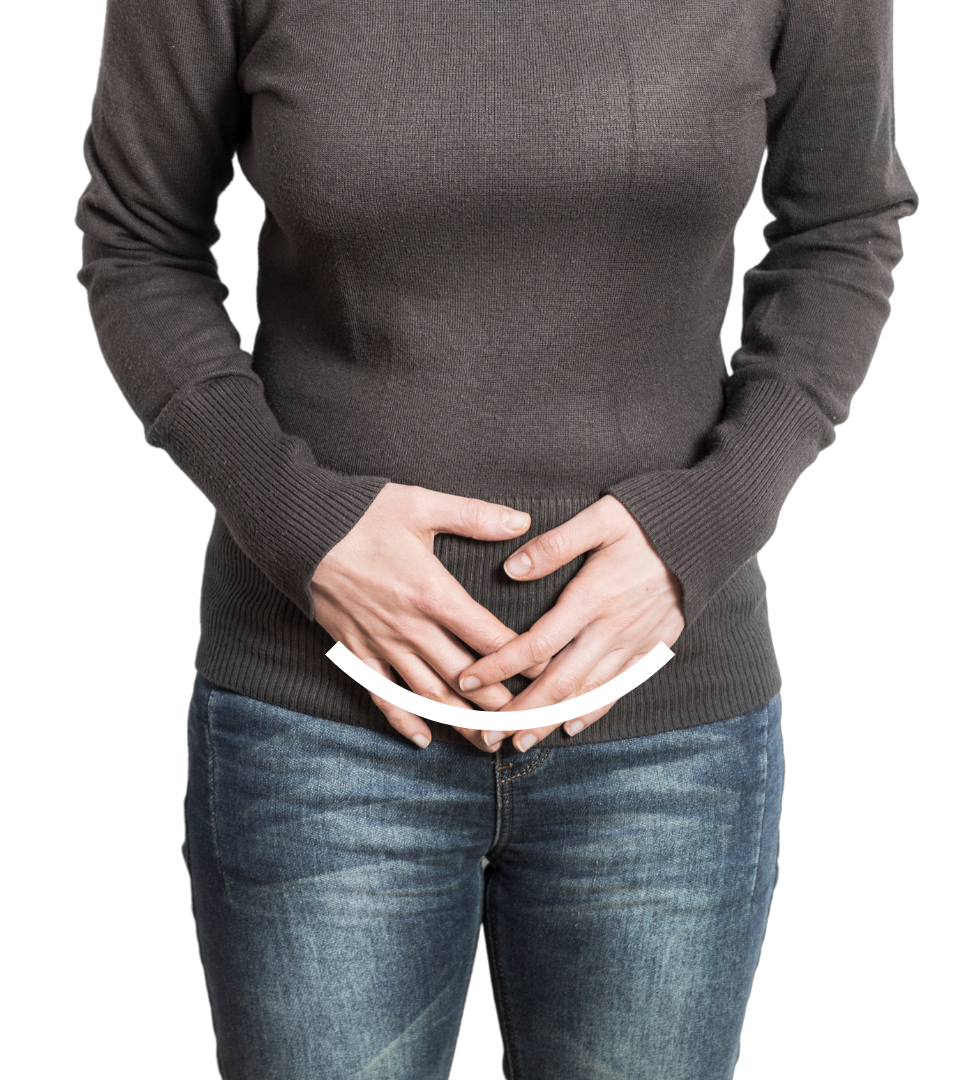
What Is Bladder Pain Syndrome?
Bladder pain syndrome is a type of chronic pelvic pain. It occurs when the inner walls of the bladder become inflamed and irritated, making the bladder hypersensitive to even small amounts of urine.
Some patients with bladder pain syndrome may have persistent low-grade bladder infections that are not detectable by standard urine tests — which is one reason the condition is frequently missed or misdiagnosed.
It is worth noting that bladder pain syndrome affects women three times more often than men.
What Causes Bladder Pain Syndrome?
The exact cause of bladder pain syndrome is not yet fully understood. However, several medical conditions are associated with its development:
| Possible Cause | How It May Contribute |
|---|---|
| Damaged bladder lining | The protective lining of the bladder breaks down, allowing irritants in urine to inflame the bladder wall. |
| Autoimmune conditions | The immune system mistakenly attacks bladder tissue, leading to inflammation and pain. |
| Allergic reactions | Certain substances may trigger bladder hypersensitivity and irritation. |
| Vascular (blood vessel) changes | Changes in blood supply may affect healing and the integrity of the bladder lining. |
| Chronic infection | Low-grade infections that standard tests may not detect could contribute to ongoing inflammation. |
Because the causes vary between individuals, treatment needs to be equally personalised.
What Are the Symptoms of Bladder Pain Syndrome?
Symptoms of bladder pain syndrome vary in severity and pattern. They may come and go, or persist continuously over time.
How Is Bladder Pain Syndrome Treated in Singapore?
Bladder pain syndrome is complex, and no two patients are the same. At Singapore Paincare, our specialists take the time to understand your condition properly before recommending any treatment. Our Painostic® method — developed by Dr Bernard Lee Mun Kam — goes beyond standard assessment to identify the precise source of your pain and guide a personalised treatment pathway.
We focus on the least invasive options first, combining interventional procedures with pharmacological, physical, and psychological support for the most effective, lasting relief.
How Are the Treatment Options for Bladder Pain Syndrome?
Conservative Treatments
Dietary Modification and Lifestyle Adjustments
Certain foods and drinks are known to irritate the bladder lining in people with bladder pain syndrome. Our team will guide you to identify and avoid personal dietary triggers — which may include caffeine, alcohol, carbonated drinks, chocolate, and highly acidic foods. Keeping a food diary is a helpful starting point.
Bladder Retraining
Bladder retraining is a structured programme that teaches you to gradually extend the time between toilet visits. Combined with relaxation techniques such as deep breathing and mindfulness, this approach helps recondition your bladder’s response to urgency signals over time.
Physical Therapy for the Pelvic Floor
Our specialists offer manual physical therapy targeting pelvic floor dysfunction — a common contributor to bladder pain. Sessions focus on releasing muscle tension, reducing tenderness in the pelvic floor, and improving overall bladder control.
Psychological Support and Cognitive Behavioural Therapy (CBT)
Living with chronic pain affects mental wellbeing. Cognitive behavioural therapy helps patients develop effective coping strategies, manage stress, and reduce the psychological burden of bladder pain syndrome. This is an important part of a comprehensive treatment plan.
Pharmacotherapy
Medications may be prescribed as part of your treatment plan. These may include muscle relaxants to reduce bladder spasm, and low-dose antidepressants or anticonvulsants — not to treat depression, but because these medications are clinically effective in modulating chronic pain signals.
Surgical Treatments
Surgery is rarely required for bladder pain syndrome. In cases where all non-surgical options have been exhausted without adequate relief, partial or total removal of the bladder (cystectomy) may be discussed as a last resort. Your specialist will carefully explain all options, risks, and likely outcomes before any surgical decision is made.
Can Bladder Pain Syndrome Be Prevented?
There is currently no known way to prevent bladder pain syndrome. However, certain lifestyle measures may help reduce symptom flares and improve your quality of life:
- Stay well hydrated — diluted urine is less irritating to a sensitive bladder lining
- Identify and avoid trigger foods — keep a food diary to spot personal patterns
- Manage stress — stress is a known trigger for flares; regular exercise, warm baths, and mindfulness techniques can help
- Quit smoking — smoking is associated with bladder irritation and worsened symptoms
A Message About Bladder Pain Syndrome from Our Pain Specialist
Bladder pain syndrome is one of the most challenging chronic pain conditions we treat — not because it cannot be managed, but because it is so often misunderstood.
Night pain interrupts sleep. Daytime urgency creates anxiety about being near a toilet. Intimacy becomes difficult. Standard painkillers provide little relief. Over time, the burden of unmanaged pain can progress to emotional distress and depression. Many patients come to us after years of being told their urine is clear, their scans are normal, and there is nothing more to be done.
The reality is that this condition requires a specialist assessment that looks beyond standard tests. It needs a multi-modal, multi-disciplinary approach — one that addresses not just the bladder, but the whole person.
At Singapore Paincare, we start by listening — to your pain, your story, and your goals. From there, we build a plan designed specifically for you.