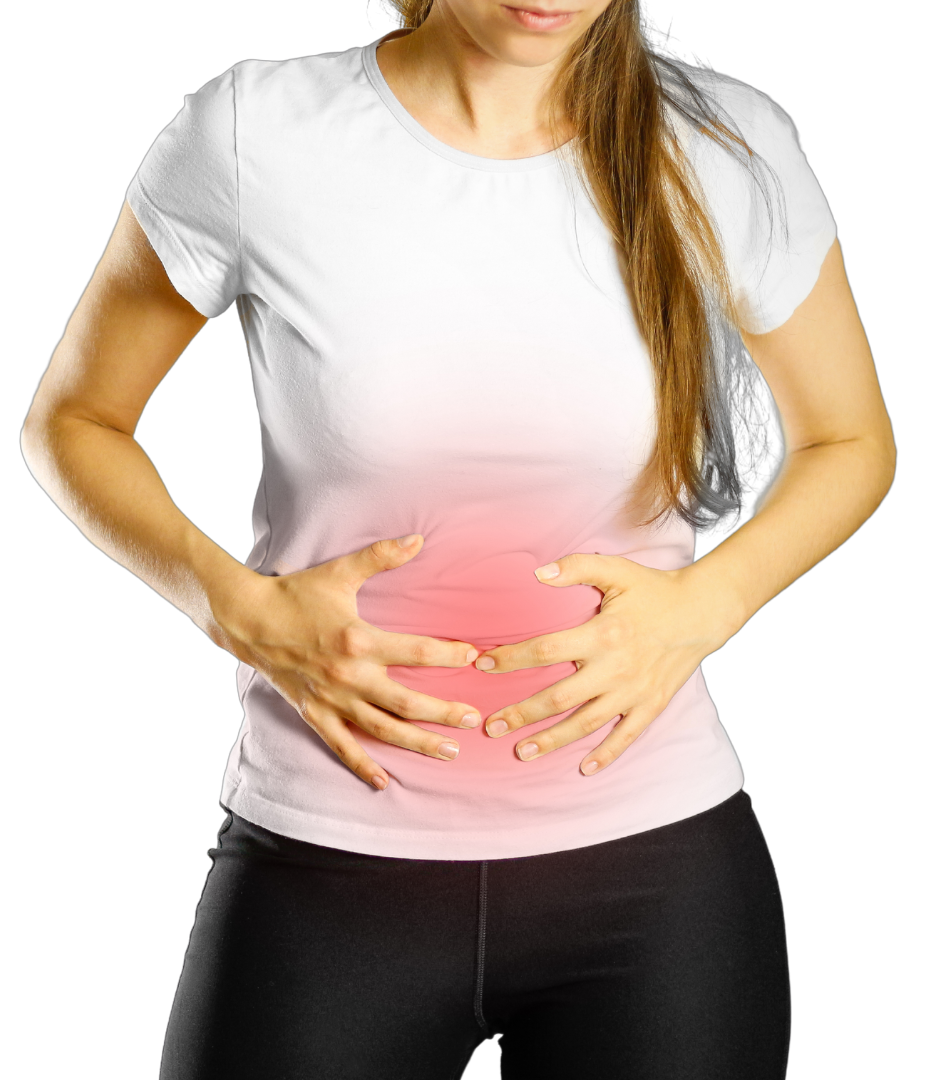
What is Endometriosis?
Endometriosis occurs when endometrial-like tissue develops in locations where it does not belong. Each month, this tissue responds to hormonal changes just as the uterine lining does — it builds up, breaks down, but has nowhere to go. This can cause inflammation, scarring, and a cycle of pain that worsens over time.
Pain is often the most disruptive symptom. It can appear as cramping during your period, discomfort during intercourse, pain with bowel movements or urination, or as a constant ache in the lower abdomen, groin, lower back, or legs.
What Causes Endometriosis?
The exact cause of endometriosis is not fully understood. Several medical theories help explain how it develops.
Retrograde menstruation is the most widely accepted theory. During menstruation, some blood flows backward through the fallopian tubes and deposits endometrial cells onto pelvic organs, where they attach and grow.
Other proposed mechanisms include:
- Transformation of certain cells lining the abdomen (peritoneal cells) into endometrial-type tissue
- Hormonal influences that convert oestrogen into endometrial cells
- Immune system differences that prevent the body from clearing misplaced tissue
Regardless of the underlying cause, the result is the same: endometrial-like tissue in a location that causes pain and dysfunction.
What Are the Symptoms of Endometriosis?
Symptoms vary from person to person. Some women experience mild discomfort; others find that pain significantly affects their daily activities, sleep, and quality of life.
Important: If your pain has become constant, is no longer relieved by standard painkillers, or is disrupting your day-to-day life, it is worth speaking with a pain specialist.
How Is Endometriosis Pain Different Over Time?
Endometriosis pain often changes in character as the condition progresses.
In the early stages, over-the-counter anti-inflammatory medications such as ibuprofen or paracetamol may help manage discomfort during a flare. Over time, however, many women find that these medications become less effective.
This happens because chronic pelvic pain can cause the pain pathways themselves to become sensitised — a process called central sensitisation. When this occurs, the nervous system amplifies pain signals, and the pain takes on a nerve-type (neuropathic) quality. Standard painkillers are not designed to address this kind of pain.
Recognising this shift is important. It is one reason why a pain specialist assessment can be valuable in addition to gynaecological care.
How Is Endometriosis Diagnosed?
At Singapore Paincare, our team of experienced primary care and specialist pain doctors works alongside your gynaecologist to conduct a thorough assessment.
This typically includes a detailed review of your symptoms and medical history, a physical examination, and a discussion of your pain patterns. An MRI scan may be arranged to evaluate or confirm the location and extent of affected tissue.
Our proprietary Painostic® approach goes beyond standard assessment. It maps how pain has developed, identifies what is driving it, and allows our specialists to plan treatment that targets the root cause rather than just the symptoms.
What Treatment Options Are Available for Endometriosis Pain in Singapore?
At Singapore Paincare, we focus on the least invasive option that will give you meaningful, lasting relief. Treatment is personalised to where you are in your pain journey and is delivered in close coordination with your gynaecologist.
Conservative Treatment
- Hormone Therapy: Hormone-based medications work by reducing oestrogen levels and suppressing the activity of endometrial tissue. This can include progestins or combined hormonal contraceptives. Your gynaecologist typically leads this aspect of care, and our pain team works in parallel to address persistent pain.
- Analgesics and Anti-Inflammatory Medications: Non-steroidal anti-inflammatory drugs (NSAIDs) such as ibuprofen or paracetamol may help during mild flare-ups. Newer COX-2 inhibitors offer anti-inflammatory effects with fewer gastric side effects.
- Pharmacotherapy for Nerve-Type Pain: When endometriosis pain has become chronic and neuropathic in character, our physicians may recommend medications such as nerve stabilisers or low-dose antidepressants that target the sensitised pain pathways. In selected cases, a gonadotropin-releasing hormone (GnRH) analogue may be introduced to suppress endometriosis-related symptoms.
Surgical Treatment
Surgery is considered only when non-surgical options have not provided adequate relief and you have been assessed as a suitable candidate by both your gynaecologist and pain specialist. All surgical options, including their benefits, risks, and recovery expectations, will be explained clearly before any decision is made.
In severe cases, surgical removal of endometrial tissue or, as a last resort, hysterectomy (removal of the uterus) may be discussed by your gynaecologist. This is a major, irreversible procedure and is approached with great care.
How Can I Reduce My Risk of Endometriosis?
While endometriosis cannot always be prevented, there are lifestyle steps that may help reduce oestrogen levels and lower your risk:
- Speak to your doctor about hormonal contraceptive options if appropriate
- Exercise regularly to support a healthy hormonal balance
- Maintain a healthy body weight
- Limit alcohol intake
- Reduce high caffeine consumption
A Message About Endometriosis from Our Pain Specialist
Endometriosis pain is real, and it deserves proper attention. Many women spend years managing symptoms on their own before seeking specialist care — often because they have been told that painful periods are normal.
They are not.
When pain becomes constant, spreads to your back or legs, or stops responding to standard medication, it signals that the nervous system may be involved. At that stage, treating only the hormonal aspect of endometriosis may not be enough.
At Singapore Paincare, we work alongside your gynaecologist to address both the condition and the pain it creates. Using our Painostic® approach, we identify the precise source of your pain and develop a personalised plan to help you regain comfort and function in daily life.