
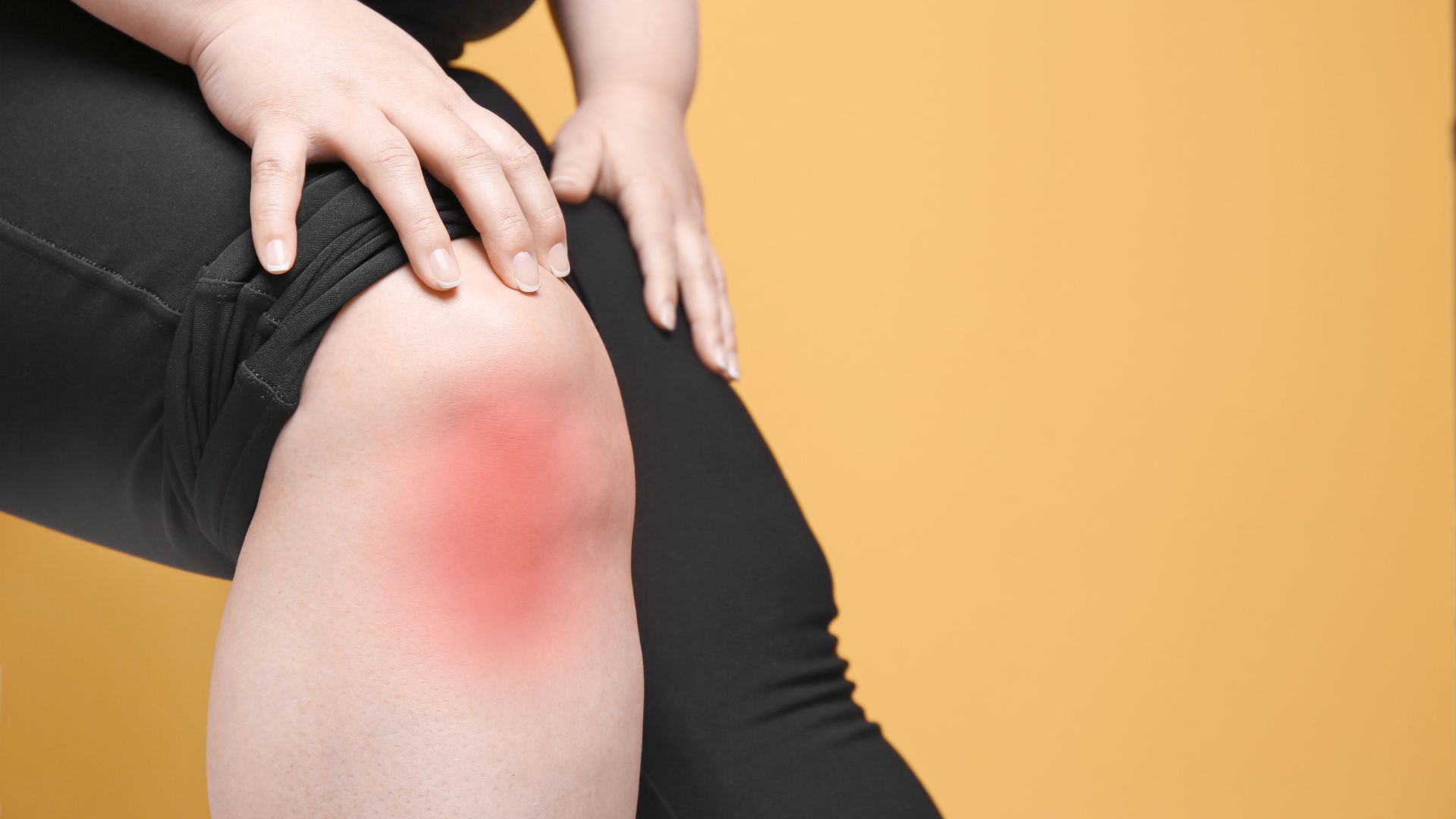
What Causes Swelling on the Knee Cap and How Is It Treated in Singapore?
June 2, 2026
CONTENTS
- Understanding the Kneecap and Why It Swells
- Common Types of Kneecap Swelling
- What Causes Swelling on the Kneecap?
- Symptoms to Watch For
- When to See a Knee Pain Specialist
- How Kneecap Swelling Is Diagnosed — The Painostic® Three-Protocol Approach
- Treatment Options for Kneecap Swelling in Singapore
- Self-Management Tips for Kneecap Swelling
- Frequently Asked Questions
- Key Takeaways
- Speak to a Knee Pain Specialist in Singapore
Quick Answer:
Swelling on the kneecap is most commonly caused by prepatellar bursitis — inflammation of the fluid-filled sac (bursa) that sits directly over the kneecap. It can also result from knee osteoarthritis, patellar tendinitis, gout, or a direct injury. Treatment ranges from rest and anti-inflammatory medication to minimally invasive procedures, depending on the underlying cause and severity.
If you have noticed a soft, puffy lump forming at the front of your knee — right over the kneecap — you are not alone. Kneecap swelling is one of the more visible and unsettling forms of knee discomfort, and it can develop quite suddenly after a fall, or gradually over weeks of repeated kneeling. The important thing to understand is that swelling over the kneecap is almost always a sign that something beneath the surface needs attention.
This article explains the main causes of kneecap swelling, how each one produces the symptoms you experience, and what treatment options are available in Singapore — from simple self-care to minimally invasive procedures that address the root cause.
Understanding the Kneecap and Why It Swells
The kneecap (patella) is a small, triangular bone embedded in the front of the knee. Its job is to protect the knee joint and improve the leverage of the quadriceps muscles. Directly in front of it sits a thin, fluid-filled sac called the prepatellar bursa. This bursa acts as a cushion, allowing the skin to slide smoothly over the kneecap when you bend and straighten your leg.
Swelling specifically over the kneecap — rather than within the broader joint — most commonly involves this bursa or the soft tissue immediately surrounding it. However, swelling from within the joint itself can also cause the area around the patella to appear and feel enlarged.
There are several conditions responsible, each with different causes, patterns, and treatment needs.
Common Types of Kneecap Swelling
Prepatellar Bursitis is the most frequent cause of a visible, localised lump directly over the kneecap. Also called “housemaid’s knee” or “carpet layer’s knee,” it affects people who kneel frequently — tradespeople, gardeners, religious practitioners, and athletes. In Singapore, where many workplaces involve floor-level tasks, this condition is seen regularly in clinical practice.
Knee Osteoarthritis affects an estimated 11% of Singaporean adults, rising to nearly 20% among those aged 60 and above, according to published research in the International Journal of Rheumatic Diseases. When cartilage breaks down, the joint produces excess fluid (effusion) that can accumulate around the kneecap and cause noticeable swelling above and below the patella.
Infrapatellar Bursitis (Clergyman’s Knee) occurs when the bursa below the kneecap becomes inflamed — producing swelling at the base of the patella rather than directly over it. It is common in people who kneel upright in prayer for extended periods.
According to the Ministry of Health’s 2007 National Health Surveillance Survey, 23.7% of Singaporean adults between the ages of 18 and 50 reported suffering from arthritis or chronic joint problems — underscoring how common knee-related conditions are across all age groups, not just the elderly.
What Causes Swelling on the Kneecap?
This is the question most patients come in with, and the answer depends on which mechanism is at work. There are five primary causes, each producing distinct patterns that a pain specialist can differentiate through clinical assessment.
1. Repetitive Pressure and Chronic Friction
The most common cause of prepatellar bursitis is repeated or prolonged kneeling. Each time the front of the knee contacts a hard surface, pressure is applied directly to the prepatellar bursa. Over time, this repeated microtrauma causes the bursa lining to produce excess fluid as a protective response. The result is a progressively enlarging, soft swelling over the kneecap.
This mechanism is particularly relevant for workers in construction, flooring, plumbing, and domestic tasks — as well as practitioners of religious activities involving extended kneeling. The swelling tends to develop gradually and may be painless at first.
2. Acute Trauma or Direct Impact
A sudden, forceful blow to the front of the knee — from a fall, a sports collision, or striking the patella against a hard surface — can cause rapid bleeding into the bursa sac. Small blood vessels within the bursa rupture, and the resulting haematoma fills the sac quickly. This type of kneecap swelling appears within hours of injury and is often more painful and tender than the chronic variety.
Contact sport athletes, cyclists, and older adults who are prone to falls are most commonly affected. Even a single incident is sufficient to trigger significant swelling.
3. Infection (Septic Bursitis)
Bacteria can enter the bursa through a small break in the skin — a cut, scrape, insect bite, or skin abrasion over the kneecap. The most common organism involved is Staphylococcus aureus. Once established, the infection causes the bursa to fill with purulent fluid, producing swelling that is notably warm, red, and tender.
Septic bursitis is the most urgent form of kneecap swelling and requires prompt medical attention. It is distinguished from non-infective bursitis by the presence of local heat and redness, fever, and general malaise. Left untreated, infection can spread to the joint itself.
4. Inflammatory Joint Disease
Systemic inflammatory conditions — including rheumatoid arthritis, gout, and psoriatic arthritis — can trigger bursitis or joint effusion as part of their broader disease process. In gout, uric acid crystals deposit within the joint and surrounding tissues, causing intensely painful, hot swelling that often develops rapidly. Rheumatoid arthritis produces a thickened synovial lining that generates excess fluid, leading to chronic joint swelling around the kneecap.
These conditions require management of the underlying disease in addition to local treatment of the knee.
5. Degenerative Joint Changes (Knee Osteoarthritis)
As knee cartilage wears down over the years, the joint responds by producing more synovial fluid in an attempt to cushion and lubricate the affected surfaces. This excess fluid accumulates within the joint capsule and may push fluid into the bursae around the kneecap. The result is a broader, softer swelling that affects the kneecap region and the joint line more generally.
In Singapore, MOH estimates that approximately 40% of those above 70 years old suffer from knee osteoarthritis. For these individuals, kneecap swelling is often part of a larger picture of ongoing joint degeneration.
Prepatellar Bursitis vs. Knee Osteoarthritis — How to Tell the Difference
These two conditions are frequently confused because both can produce kneecap swelling. The table below summarises the key distinguishing features.
| Feature | Prepatellar Bursitis | Knee Osteoarthritis |
|---|---|---|
| Primary location of swelling | Directly over the kneecap (front surface) | Around the joint line; may involve the kneecap area |
| Character of swelling | Soft, localised, sac-like lump | Diffuse, boggy swelling around the joint |
| Range of motion | Usually preserved; bending may be uncomfortable | Often reduced; stiffness is prominent |
| Onset pattern | Sudden (after trauma) or gradual (with kneeling) | Gradual, worsening over months to years |
| Pain triggers | Direct pressure on the kneecap; kneeling | Weight-bearing, climbing stairs, prolonged sitting |
| Morning stiffness | Not typical | Common; usually improves after 20–30 minutes |
| Age group most affected | Any age; occupational risk common | More prevalent over age 40 |
| Systemic features | Fever/chills if infective | None; localised to joint |
| X-ray findings | Usually normal | Cartilage loss, joint space narrowing, bone spurs |
Important note: Both prepatellar bursitis and knee osteoarthritis can coexist in the same patient. Swelling over the kneecap does not rule in or out either condition — a structured clinical assessment is required to identify the true source.
Symptoms to Watch For
- Symptoms of kneecap swelling vary depending on the cause, but the following are commonly reported:
- A visible, round lump directly over the kneecap — soft and compressible in bursitis; firmer and more diffuse in osteoarthritis
- Localised pain and tenderness when touching the front of the knee or kneeling on the affected leg
- Warmth and redness over the kneecap — particularly concerning when an infection may be present
- Swelling that worsens with activity and improves with rest (typical of bursitis)
- Stiffness or difficulty bending the knee fully, especially after sitting for long periods
- Restricted walking or a change in gait to offload the affected leg
- Aching that radiates around the kneecap into the shin or upper leg — suggesting nerve involvement from joint swelling or a related inflammatory process
If you notice that the kneecap area is hot, red, and accompanied by fever, chills, or a general feeling of being unwell, seek medical attention promptly — these are warning signs of septic (infected) bursitis, which requires urgent assessment and treatment.
When to See a Knee Pain Specialist
Most mild kneecap swelling from minor trauma will settle with a few days of rest. However, you should see a specialist if:
- Swelling persists beyond two weeks despite rest and over-the-counter medication
- The skin over the kneecap is visibly hot, red, or tender — possible infection
- You have fever, chills, or feel generally unwell alongside the knee swelling
- Swelling recurs repeatedly even after rest, suggesting a chronic underlying cause
- Pain is severe enough to limit daily walking, climbing stairs, or sleep
- You have a history of inflammatory arthritis, gout, or diabetes — conditions that increase complication risk
Identifying the exact source of swelling before committing to any treatment avoids the risk of treating the wrong structure and prolonging recovery. Early diagnosis also reduces the risk of the condition progressing to chronic bursitis, cartilage damage, or functional impairment.
How Kneecap Swelling Is Diagnosed — The Painostic® Three-Protocol Approach
Diagnosing the cause of kneecap swelling requires more than a visual inspection or a standard X-ray. At Singapore Paincare, our pain specialists use the Painostic® methodology — a structured, three-protocol assessment designed to identify the true source of your pain before any treatment begins.
Diagnostic Formulation
A multi-dimensional assessment covering pain history, physical examination, imaging findings, and a pain questionnaire. The specialist evaluates how the swelling developed (acutely or gradually), what aggravates and relieves it, and whether systemic factors such as gout or autoimmune disease are contributing. Differentiates mechanical swelling from inflammatory or infective causes. Where imaging is required, ultrasound is particularly useful for visualising the prepatellar bursa directly; MRI provides broader soft-tissue detail when the diagnosis remains unclear. Goal: identify the exact pain generator and the nature of the swelling before any treatment decision.
Injection Roadmap
Once the pain source is confirmed, a structured, evidence-based treatment plan is developed — combining minimally invasive procedures, physical therapy, and pharmacotherapy in a personalised sequence tailored to the specific condition. For prepatellar bursitis, this may involve aspiration and targeted injection. For osteoarthritis-related swelling, the plan addresses the degenerative joint changes as the primary driver.
Injection Technique
Refined technique determines precise needle depth and optimal placement, ensuring that medication is delivered accurately to the affected anatomical structure — whether the prepatellar bursa, the joint cavity, or a specific synovial fold. Image guidance is used where precision is critical.
Where the source of swelling remains unclear after clinical assessment, image-guided diagnostic joint aspiration or nerve blocks can confirm the exact generator. Treating the wrong structure — for example, injecting into the bursa when the true cause is intra-articular osteoarthritis — will produce no lasting benefit and delays appropriate care.
Treatment Options for Kneecap Swelling in Singapore
Conservative (Non-Surgical) Management
For mild to moderate kneecap swelling with no signs of infection, the following conservative measures form the first line of management:
- Rest and activity modification — avoiding repetitive kneeling and reducing activities that load the front of the knee (stair climbing, deep squatting) to allow the bursa to settle
- Ice therapy — applying an ice pack wrapped in a towel to the front of the knee for 15–20 minutes, three to four times daily, to reduce inflammation and discomfort
- Compression and elevation — a compression bandage reduces fluid accumulation; elevating the leg when seated assists lymphatic drainage
- Anti-inflammatory medication — oral NSAIDs (e.g. Diclofenac, Celecoxib) may reduce pain and swelling; nerve stabilisers such as Gabapentin may be appropriate where nerve sensitivity is a feature of chronic presentations
Minimally Invasive Procedures (MIPs)
For persistent, recurrent, or severe kneecap swelling — or when the underlying cause is a chronic pain condition like knee osteoarthritis — minimally invasive procedures provide targeted, longer-lasting relief without surgery.
MYOSPAN — Soft Tissue & Joint Interventions
| Procedure | How It Helps |
|---|---|
| Coreflex Injections | Delivers a combination of local anaesthetic, anti-inflammatory agent, and muscle relaxant directly to the affected bursa or surrounding tissue to stop inflammation and break the pain cycle. [→ Learn more about Coreflex Injections] |
| Intra-Articular Injections | Anti-inflammatory agents and hyaluronic acid delivered directly into the knee joint to reduce pain, lower inflammation, and improve mobility — particularly effective when osteoarthritis is driving the swelling. |
| Myofascial Block | Targets tense, knotted peri-patellar tissue with local anaesthetic and anti-inflammatory to flush accumulated toxins and reduce chronic soft-tissue irritation. [→ Learn more about Myofascial Block] |
NEUROSPAN — Spinal & Nerve Interventions
| Procedure | How It Helps |
|---|---|
| Peripheral Nerve Block | Local anaesthetic and anti-inflammatory agent delivered around the saphenous or genicular nerve branches, interrupting pain signals from the knee region and providing diagnostic and therapeutic benefit. |
| Pulsed Radiofrequency (PRF) | Lower-temperature radiofrequency energy desensitises pain-causing nerve branches around the knee without ablation, providing sustained relief for chronic knee pain with nerve sensitisation. [→ Learn more about PRF] |
| Radiofrequency Ablation (RFA) | Radiofrequency energy disrupts the genicular nerve branches transmitting pain from the knee joint — providing long-lasting relief for osteoarthritis-driven chronic knee swelling and pain. [→ Learn more about RFA] |
Singapore Paincare has been providing minimally invasive pain treatments as alternatives to open surgery for over a decade, with a track record of targeted, outpatient procedures guided by the Painostic® diagnostic methodology.
Self-Management Tips for Kneecap Swelling
These daily habits can support recovery and reduce the likelihood of recurrence:
- Use knee pads when kneeling — If your work or daily activities require kneeling, quality knee pads reduce the direct pressure on the prepatellar bursa and significantly lower recurrence risk. Prevention is far simpler than treatment.
- Strengthen your quadriceps with low-impact exercise — Seated leg raises and straight-leg lifts build quadriceps strength without loading the kneecap surface. Stronger thigh muscles reduce the compressive forces that drive bursal irritation and cartilage wear.
- Apply ice promptly after aggravating activities — If you have been on your knees for an extended period, applying an ice pack for 15–20 minutes before the swelling builds can prevent the inflammatory response from gaining momentum.
- Maintain a healthy body weight — Every additional kilogram of body weight places approximately four kilograms of additional force on the knee during walking. Reducing excess weight meaningfully lowers the load on the kneecap and slows cartilage wear in those with osteoarthritis.
- Avoid sitting with your knees fully bent for extended periods — Prolonged bent-knee postures (for example, sitting cross-legged on the floor) increase pressure within the knee joint and can aggravate peri-patellar inflammation. Take short breaks to straighten and move the knees regularly.
Frequently Asked Questions
What causes swelling on the knee cap?
Kneecap swelling is most often caused by prepatellar bursitis — inflammation of the fluid-filled sac (bursa) that cushions the front of the kneecap. Other common causes include a direct impact injury, infection within the bursa, gout, rheumatoid arthritis, and knee osteoarthritis. Each cause produces a slightly different pattern of swelling and tenderness, which a specialist can differentiate through clinical assessment.
How is kneecap swelling different from general knee joint swelling?
Kneecap swelling (prepatellar bursitis) produces a localised, soft lump directly over the front surface of the kneecap. General knee joint swelling from osteoarthritis or synovitis tends to be more diffuse — affecting the joint line above and below the kneecap — and is usually accompanied by stiffness and reduced range of motion. Both can look similar to the untrained eye, but a clinical examination with imaging can clearly distinguish them.
Does swelling over the kneecap mean the condition is getting worse?
Not necessarily, but increasing swelling does warrant attention. If swelling grows progressively larger, becomes warm and red, or is accompanied by fever and pain at rest, these are signs that the condition may be progressing — either to chronic bursitis, or to an infection requiring urgent treatment. A single episode of minor swelling that resolves with rest is usually less concerning than repeated episodes or swelling that does not settle within two weeks.
Can minimally invasive procedures help with kneecap swelling?
Yes — when conservative management has not provided adequate or lasting relief, minimally invasive procedures offer a targeted approach. Intra-articular injections, Coreflex injections into the bursa, and genicular nerve radiofrequency ablation can each address different aspects of kneecap swelling depending on the underlying cause. At Singapore Paincare, the appropriate procedure is selected only after the Painostic® diagnostic assessment has confirmed the source.
Will I need surgery for kneecap swelling?
Surgery is rarely needed for prepatellar bursitis or osteoarthritis-related kneecap swelling. The vast majority of cases respond to a combination of conservative management and, where necessary, minimally invasive procedures. Surgical bursectomy (removal of the bursa) is only considered when the bursa has become chronically thickened and non-responsive to all other treatments. A specialist assessment will clarify your individual situation and the most appropriate pathway for your specific condition.
Where can I see a knee pain specialist in Singapore for kneecap swelling?
Singapore Paincare Medical Group offers specialist pain assessment for kneecap swelling and knee pain conditions at two central locations: Paragon Medical Centre on Orchard Road and Novena Medical Centre. Our consultants use the Painostic® diagnostic methodology to identify the root cause of your kneecap pain before recommending any treatment. No referral is needed — you can book a consultation directly.
Key Takeaways
Prepatellar bursitis is the most common cause of a visible, localised swelling directly over the kneecap, typically triggered by repetitive kneeling, direct trauma, or infection.
Knee osteoarthritis causes broader swelling around the joint and kneecap area due to excess synovial fluid, affecting an estimated 11% of Singaporean adults — and nearly 40% of those over 70 (MOH Singapore).
Infection (septic bursitis) must be ruled out whenever kneecap swelling is accompanied by redness, warmth, and fever — it requires urgent medical assessment and targeted antibiotic or drainage treatment.
Minimally invasive procedures including Coreflex injections, intra-articular injections, and genicular nerve radiofrequency ablation can provide targeted, longer-lasting relief when conservative measures are insufficient.
The Painostic® three-protocol methodology — used by Singapore Paincare specialists — ensures that the exact source of kneecap swelling is identified before any treatment begins, avoiding the common pitfall of treating the wrong structure.
Speak to a Knee Pain Specialist in Singapore
Kneecap swelling can look straightforward, but the underlying cause is not always what it appears to be. Whether you are dealing with a recurring bursa problem, osteoarthritis-driven joint swelling, or pain that simply has not settled with rest and medication, a structured specialist assessment will give you a clear picture of what is happening — and what can be done about it.
At Singapore Paincare Medical Group, our consultant pain specialists use the Painostic® diagnostic methodology to assess the true source of your kneecap swelling and develop a personalised, minimally invasive treatment plan. Many patients who come to us have been managing symptoms for months without understanding the root cause. Our goal is accurate diagnosis first — so that every treatment decision is both targeted and appropriate.
This article is intended for general informational purposes only and does not constitute medical advice. Please consult a qualified healthcare professional for diagnosis and treatment tailored to your individual condition.