Foot Pain Specialist in Singapore

Dr. Bernard Lee Mun Kam (李文鉴医生)
Consultant Pain Specialist, Singapore Paincare Center
Dr Bernard Lee is the founder of Singapore Paincare and a Consultant Pain Specialist at Singapore Paincare Center. With over 20 years of clinical practice, he developed the Painostic®️ approach to guide evidence-based, minimally invasive procedures. Alongside his patient care, he trains the next generation of doctors in interventional techniques for chronic pain and orthopaedic conditions.

Foot Pain Specialist in Singapore
Dr. Bernard Lee Mun Kam
(李文鉴医生)
Consultant Pain Specialist, Singapore Paincare Center
Dr Bernard Lee is the founder of Singapore Paincare and a Consultant Pain Specialist at Singapore Paincare Center. With over 20 years of clinical practice, he developed the Painostic®️ approach to guide evidence-based, minimally invasive procedures. Alongside his patient care, he trains the next generation of doctors in interventional techniques for chronic pain and orthopaedic conditions.
Why Choose Dr. Bernard Lee
Foot Pain Overview
Foot pain is a common problem that affects everyday standing and walking. International studies estimate that around one in five adults experience foot pain, and it becomes more frequent with age. The discomfort can range from mild soreness after long periods on your feet to persistent pain that limits walking, exercise and daily activities.
At Singapore Paincare, our pain specialists apply the Painostic® know-how to assess each patient's condition thoroughly and recommend minimally invasive procedures tailored to individual needs. We identify the root sources of your foot pain, develop a personalised treatment plan, and use refined injection techniques that ensure accurate needle placement and targeted delivery of medication. This precise approach provides focused, evidence-based care that supports recovery and helps patients return to daily activities with minimal disruption.
Understanding Foot Pain
Your foot structures include:
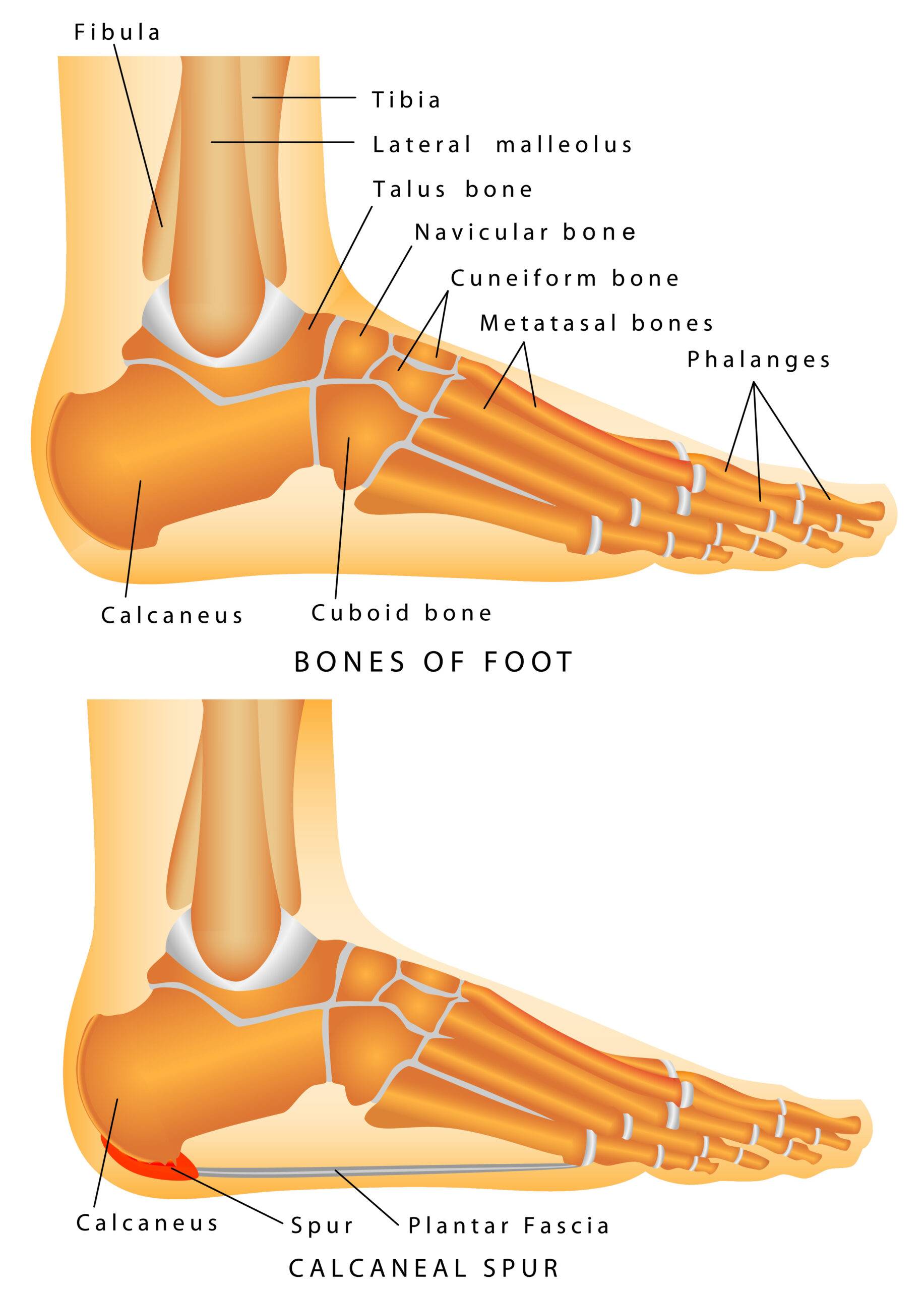
- Bones and joints that form the arches and provide stability
- Muscles and tendons that enable movement and balance
- Ligaments that support the joints and maintain structural integrity
- Nerves that control sensation and motor function
- Bursae that help reduce friction between moving parts
When any of these components become irritated or injured, pain can develop in the heel, midfoot, forefoot, or even radiate toward the ankle and lower leg. Issues such as poor footwear, flat feet or high arches, repetitive strain from sports, previous injuries, or age-related wear may all contribute to persistent foot pain. Early assessment helps identify the underlying cause so that treatment can be tailored toward restoring comfort and movement.
What is a red flag for foot pain?
Seek medical attention promptly if you experience any of the following signs:
- Foot pain that lasts more than two weeks without improvement
- Sudden or severe pain that interferes with walking or weight bearing
- Pain that develops after an injury, such as a fall or sports incident
- Noticeable redness, warmth, swelling, or fever, which may indicate infection
- You have diabetes or a condition that affects circulation, and new foot pain develops
- Numbness, tingling, or changes in skin color around the foot or toes
- Visible deformity or inability to move the foot normally
These symptoms suggest that there may be underlying structural damage, nerve involvement, infection, or circulation issues that require proper medical evaluation.
What Are The Foot Pain Conditions We Treat?
The types of foot pain conditions we treat include:
- Achilles Tendonitis: Inflammation of the Achilles tendon located at the back of the heel. It often causes stiffness and pain when walking or climbing stairs, especially after sports or long periods on your feet.
- Diabetic Neuropathy: Nerve damage caused by long term diabetes. It can lead to burning pain, tingling, numbness or reduced sensation in the feet, increasing the risk of balance issues and foot injuries.
- Gout: A type of arthritis caused by high uric acid levels that form sharp crystals in the joints. It commonly affects the big toe and leads to sudden attacks of intense pain, redness and swelling.
- Plantar Fasciitis: Inflammation of the plantar fascia, the tissue that supports the arch of the foot. It causes sharp heel pain, especially when taking the first steps in the morning or after sitting for a long time.
Singapore Paincare offers a range of targeted treatments for foot pain, focusing on both muscle related and spine related causes. The treatment options include Myospan and Neurospan.
Myospan Injection
Myospan injections target muscles, ligaments, tendons, joints, and nerves to break the pain cycle, reduce inflammation, and improve healing. Depending on the painful condition, different injections may be utilised to either remove the pain generator or stop the pain signals. Myospan treatments include:
- Coreflex injections
- Platelet-Rich Plasma Prolotherapy
- Intra-Articular Injections
- Myofascial Pain injections
- Peripheral Nerve Block
Neurospan
Some foot pain is caused by nerve compression in the lower spine. Conditions such as slipped discs or bone spurs can irritate the lumbar or sacral nerves, leading to pain, numbness or tingling that travels into the legs or feet. Neurospan treatments aim to relieve this nerve pressure at its source so that symptoms in the lower limbs improve.
Neurospan options that may be considered when nerve compression is contributing to foot pain include:
Our Pain Specialist

Dr. Bernard Lee Mun Kam (李文鉴医生)
More than 20 years of experiences in treating pain
Dr. Bernard Lee Mun Kam is the founder of Singapore Paincare and a Consultant Pain Specialist at Singapore Paincare Center. He has more than two decades of clinical experience in pain medicine and holds qualifications in anaesthesiology and interventional pain management, including a Masters of Medicine (Anaesthesiology) and Fellowship with the Faculty of Pain Medicine (Australian and New Zealand College of Anaesthetists). He has been a pioneer in developing pain services in Singapore and previously led major hospital pain units, including Tan Tock Seng Hospital and KK Women’s and Children’s Hospital.
Recognised as one of Singapore’s early adopters of interventional pain techniques, Dr. Bernard introduced knifeless treatment methods that use specialised laser and balloon-based procedures for conditions such as slipped discs, nerve compression, arthritis and frozen shoulder. His multi-disciplinary training, including medical acupuncture, supports a comprehensive, evidence-based approach to treating pain without open surgery.
Dr. Bernard has a long-standing commitment to medical education. He has trained and mentored many doctors in Singapore and the region in interventional pain procedures and chronic pain management. Through the Singapore Paincare Academy, he continues to provide structured training for general practitioners, allied health professionals and TCM practitioners, ensuring consistent standards in pain assessment and treatment based on the Painostic® methodology.
Dr. Bernard is frequently invited to television and radio programmes to share his insights on pain conditions, treatment approaches and public education topics. His media contributions reflect his ongoing commitment to raising awareness of pain management and empowering the public with reliable medical information.
Read more about Dr. Bernard Lee