
Does Back Support for Back Pain Actually Help?
December 3, 2025
CONTENTS
When back pain becomes part of your daily life, it can affect the way you sit, work, travel, and even rest. Many people in Singapore begin noticing the ache after long hours at a desk, extended commuting, or simply from trying to keep up with busy schedules. It’s natural to reach for something that promises relief like a lumbar cushion, an ergonomic chair, or a supportive brace.
But a common question remains: do back supports actually help with back pain? This guide helps you understand what back supports can (and cannot) do, so you can choose what truly helps you feel more comfortable, confident, and mobile.
Why People Turn to Back Support for Back Pain
Most people start exploring back support when the ache becomes unbearable, when sitting too long makes the lower back feel tight, or posture slips because muscles get tired.
Common struggles include:
- A dull ache that builds through the workday
- Stiffness after long meetings or screen time
- Difficulty sitting upright without discomfort
- Fatigue from trying to hold good posture
Back support often feels like a simple way to ease that strain. These devices offer structure and remind your body of a healthier sitting position, helping you stay more comfortable with less effort.
Types of Back Support and How They Help
-
Lumbar Cushions and Ergonomic Pillows
These cushions support the natural inward curve of your lower back. By keeping your spine in a gentler position, they ease fatigue and slow down the build-up of tension across the lumbar muscles especially during long sitting hours.
-
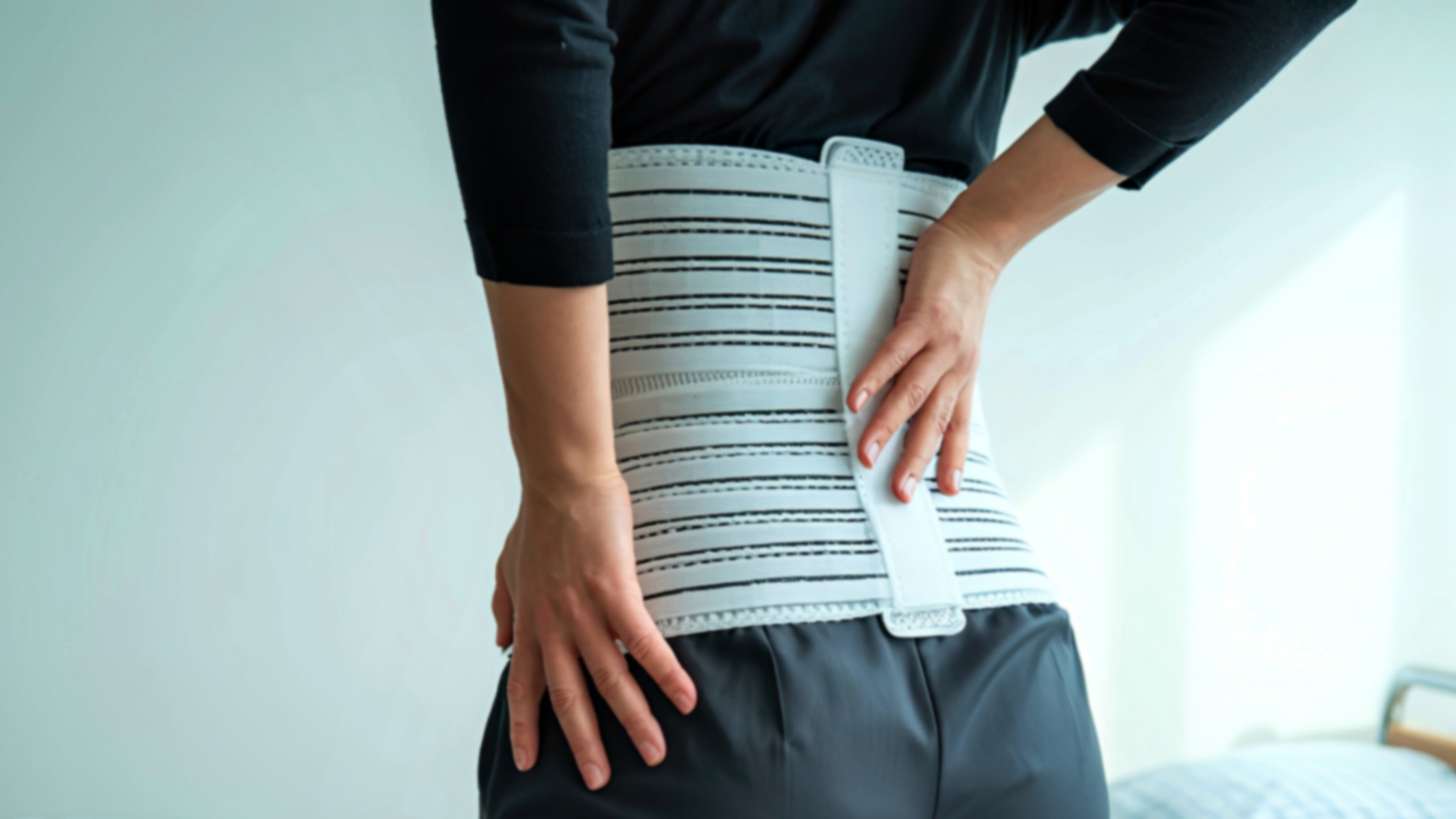
Back Braces and Support Belts
A brace offers added stability during activities that strain the back, such as lifting or prolonged bending. They’re useful when your back feels weak or tired and need short-term, activity-based support.
-
Ergonomic Chairs and Sitting Modifications
An adjustable chair, seat wedge, or footrest can help distribute pressure more evenly. For many people, these changes make long working or commuting hours feel more manageable.
Do Back Supports Work? What Real-World Experience Shows
Back supports can make a difference, especially when discomfort is linked to posture or muscular fatigue.
How Back Support Can Improve Your Comfort
Many users notice:
- Better posture awareness
- Less tension building across the lower back
- Reduced strain during long sitting or commuting
- Easier, more comfortable alignment
- Relief from mild, posture-related discomfort
These improvements matter because they help you move through your day with less resistance and more ease.
Why Back Support Doesn’t Help Everyone the Same Way
Not all back pain comes from posture.
If the discomfort is due to a deeper issue such as nerve irritation, disc problems, or joint changes support devices may provide only slight relief.
Back support works best when paired with:
- Gentle stretching
- Regular movement breaks
- Basic strengthening
- Better workstation posture
If pain persists despite these changes, your body may be telling you something more specific.
When Back Support Is Not Enough
Back support can help with mild or postural discomfort, but if pain becomes persistent, spreads, or disrupts daily life, it’s important to understand why. The source may be deeper than muscle strain. In that situation, speaking with a medical professional can help identify the cause of the discomfort and guide you toward the right back pain treatment in Singapore.
Warning Signs Worth Paying Attention To
You may want to speak with a back pain specialist if you experience:
- Pain lasting more than a few weeks
- Pain spreading to the buttocks or legs
- Tingling, numbness, or weakness
- Difficulty bending or standing for long
- Sleep-disturbing discomfort
These may signal nerve involvement or disc-related conditions. Early evaluation helps you regain comfort sooner and reduces the risk of long-term issues.
Why Identifying the Root Cause Matters
Every person’s back pain is different. At Singapore Paincare, our specialists use the Painostic® approach to understand exactly which structure is causing the pain such as the muscles, joints, discs, or nerves. This clarity helps you avoid guesswork or trying multiple methods that don’t address the real issue.
Treatment Options if Your Back Pain Persists
When back support and lifestyle adjustments don’t bring enough relief, targeted care may help you regain comfort and mobility.
Conservative Treatments
These help many people with early-stage or posture-related pain:
- Physiotherapy
- Guided stretching and strengthening
- Core conditioning
- Posture retraining
- Activity and ergonomic adjustments
Minimally Invasive Procedures in Singapore
For persistent or more complex back pain, minimally invasive options can target the exact real source with no to little downtime.
Common treatments include:
- Coreflex injections to reduce inflammation
- PRP prolotherapy to stimulate tissue repair
- Facet joint injections
- Nerve root blocks
- Neuroplasty to release irritated nerves
- Radiofrequency ablation procedures for longer-lasting relief
How to Choose the Right Back Support in Singapore
If you’re exploring back support for back pain, choosing the right type can make a noticeable difference in your daily comfort.
Match the Support to Your Lifestyle
- Lumbar cushion: For long desk hours
- Back brace: For specific tasks or short-term stability
- Ergonomic chair/posture aids: For long-term comfort
What to Look For
- Firm but comfortable support
- Appropriate height and shape
- Breathable materials suitable for Singapore’s humidity
- Good adjustability
- Compatibility with your work chair
Using Back Support Effectively
- Be consistent over several weeks
- Combine with light movement and stretching
- Maintain posture awareness
- Avoid over-reliance as support should complement healthy habits, not replace them
Back support works best as part of an overall approach to spinal health.
FAQs About Back Support for Back Pain
Will back support weaken my muscles?
Not when used correctly. It supports tired muscles while you continue building natural strength through movement.
Is it safe to wear a back brace daily?
Yes, for short durations or task-specific needs. It should complement, not replace your body’s own stability.
Does back support help with slipped disc pain?
It may reduce strain and ease discomfort, but disc-related issues often require additional medical evaluation.
Should I use back support while working from home?
Yes. Many home set-ups lack proper ergonomic support, so back support can help you maintain healthier posture.
Take the Next Step Toward Relief
Back supports can bring comfort and help you stay aligned during long hours of sitting or commuting but they are only part of the picture. If your pain has been persistent, spreading, or limiting your daily activities, understanding the true cause is the most important step toward long-term relief.
If back pain is affecting your quality of life, we’re here to help. Book a consultation to understand your condition and explore effective, minimally invasive options tailored to you.