Back Pain Specialist in Singapore

Non-surgical Back Pain Treatment
Dr. Bernard Lee Mun Kam (李文鉴医生)
Consultant Pain Specialist, Singapore Paincare Center
Dr Bernard Lee is the founder of Singapore Paincare and a Consultant Pain Specialist at Singapore Paincare Center. With over 20 years of clinical practice, he developed the Painostic®️ approach to guide evidence-based, minimally invasive procedures. Alongside his patient care, he trains the next generation of doctors in interventional techniques for chronic pain and orthopaedic conditions.


Back Pain Specialist in Singapore
Non-surgical Back Pain Treatment
Dr. Bernard Lee Mun Kam
(李文鉴医生)
Consultant Pain Specialist, Singapore Paincare Center
Dr Bernard Lee is the founder of Singapore Paincare and a Consultant Pain Specialist at Singapore Paincare Center. With over 20 years of clinical practice, he developed the Painostic®️ approach to guide evidence-based, minimally invasive procedures. Alongside his patient care, he trains the next generation of doctors in interventional techniques for chronic pain and orthopaedic conditions.
What Should You See a Back Pain Specialist?
Seek urgent assessment immediately if you experience sudden bowel or bladder changes, progressive leg weakness, or back pain with fever — these may indicate a spinal emergency (cauda equina syndrome or spinal infection).
See a Consultant Pain Specialist when:
- Back pain has persisted for more than 4–6 weeks without meaningful improvement
- Pain radiates into the buttock, leg, or foot — with or without numbness or tingling (sciatica pattern)
- Physiotherapy or oral medication has provided only partial or temporary relief
- You have been told you may need surgery and want to explore non-surgical alternatives first
- Pain disrupts your sleep, work capacity, or ability to drive
- Episodes of back pain are becoming more frequent or severe
A Message About Back Pain From Our Pain Specialist
Lower back pain is one of the most common conditions we see, often arising from strain, repetitive loading, or prolonged poor posture. While it may begin as a mild ache, delaying proper care can lead to persistent stiffness, nerve irritation, or worsening discomfort that affects daily movement.
Many people believe that low back pain is always caused by bone degeneration or slipped discs. In reality, even small issues such as muscle tension, joint inflammation, or imbalance in supporting structures can trigger ongoing symptoms.
At Singapore Paincare, we conduct a thorough assessment to identify the root source of your lower back pain and design a personalised, minimally invasive treatment plan tailored to your condition. We aim to relieve discomfort, and help you return to your daily activities with confidence.
Common Back Conditions Treated by a Back Pain Specialist
Over stretching or tearing of the ligaments that support the spine, often caused by sudden twisting, lifting, or awkward movement.
Compression or irritation of a spinal nerve, which may lead to sharp pain, numbness, or tingling that travels into the hips or legs.
Tightening or spasm of the piriformis muscle in the buttock, which can compress the sciatic nerve and cause radiating pain down the leg.
Irritation or compression of the sciatic nerve, commonly from disc or joint issues, resulting in shooting pain that may extend from the lower back to the foot.
Bulging or leakage of disc material that presses on nearby nerves, leading to back pain, leg pain, or muscle weakness.
Breaks in the vertebrae caused by trauma or weakened bones, leading to sudden and severe back pain that requires prompt evaluation.
Narrowing of the spinal canal that places pressure on nerves, causing pain, numbness, or heaviness in the lower back or legs, especially when standing or walking.
Age related degeneration of the spinal discs and joints, which can result in stiffness, persistent back pain, or nerve irritation.
Inflammation or injury of the tailbone area, often triggered by prolonged sitting, falls, or childbirth.
Not sure what’s causing your back pain?
With our Painostic® approach, our pain specialists go beyond surface symptoms to identify the real source of your back pain. Through a detailed clinical assessment and targeted diagnostics, we develop a personalised treatment plan focused on relieving pain, restoring movement, and preventing recurrence.
Your Journey at Singapore Paincare Center
Step 1: Comprehensive Pain Assessment
Your care begins with a detailed back pain assessment using our Painostic® approach. Our specialist will review your medical history, understand how your back pain started, and assess your symptoms, posture, spinal movement, and pain patterns. We also check for signs that the pain may be coming from the muscles, joints, discs, nerves, or surrounding soft tissues. If needed, imaging may be reviewed or arranged to support diagnosis and guide treatment.
Step 2: Personalised Treatment Plan
After your back pain assessment is completed, you will receive a treatment plan tailored to your condition, symptoms, and daily functional needs. We will explain the likely cause of your back pain, whether it is related to muscle strain, slipped discs, facet joint irritation, degenerative changes, or nerve compression, together with the treatment options available and what to expect during recovery.
Step 3: Treatment Delivery
- Minimally Invasive Procedures – Targeted treatments may be recommended for suitable back pain conditions, including cases involving lumbar joint pain, disc-related pain, nerve irritation, or persistent muscular pain. These are typically performed as outpatient or day-surgery procedures where appropriate.
- Rehabilitation Support – Physiotherapy guidance, posture correction, stretching, and strengthening exercises may be incorporated to improve spinal mobility, restore function, and reduce recurrence.
- Integrated Care – Additional supportive options may be considered when appropriate to complement recovery and improve overall symptom control.
Step 4: Follow up Care
Your progress will be reviewed regularly to monitor pain relief, movement, and functional improvement. Treatment may be adjusted based on your response, with the aim of achieving sustained recovery, better mobility, and long-term relief from back pain.
Singapore Paincare offers a range of targeted treatments for lower back pain, focusing on both muscle related and spine related causes. The treatment options include Myospan and Neurospan.
Our Pain Specialist
Dr. Bernard Lee Mun Kam (李文鉴医生)
Consultant Pain Specialist
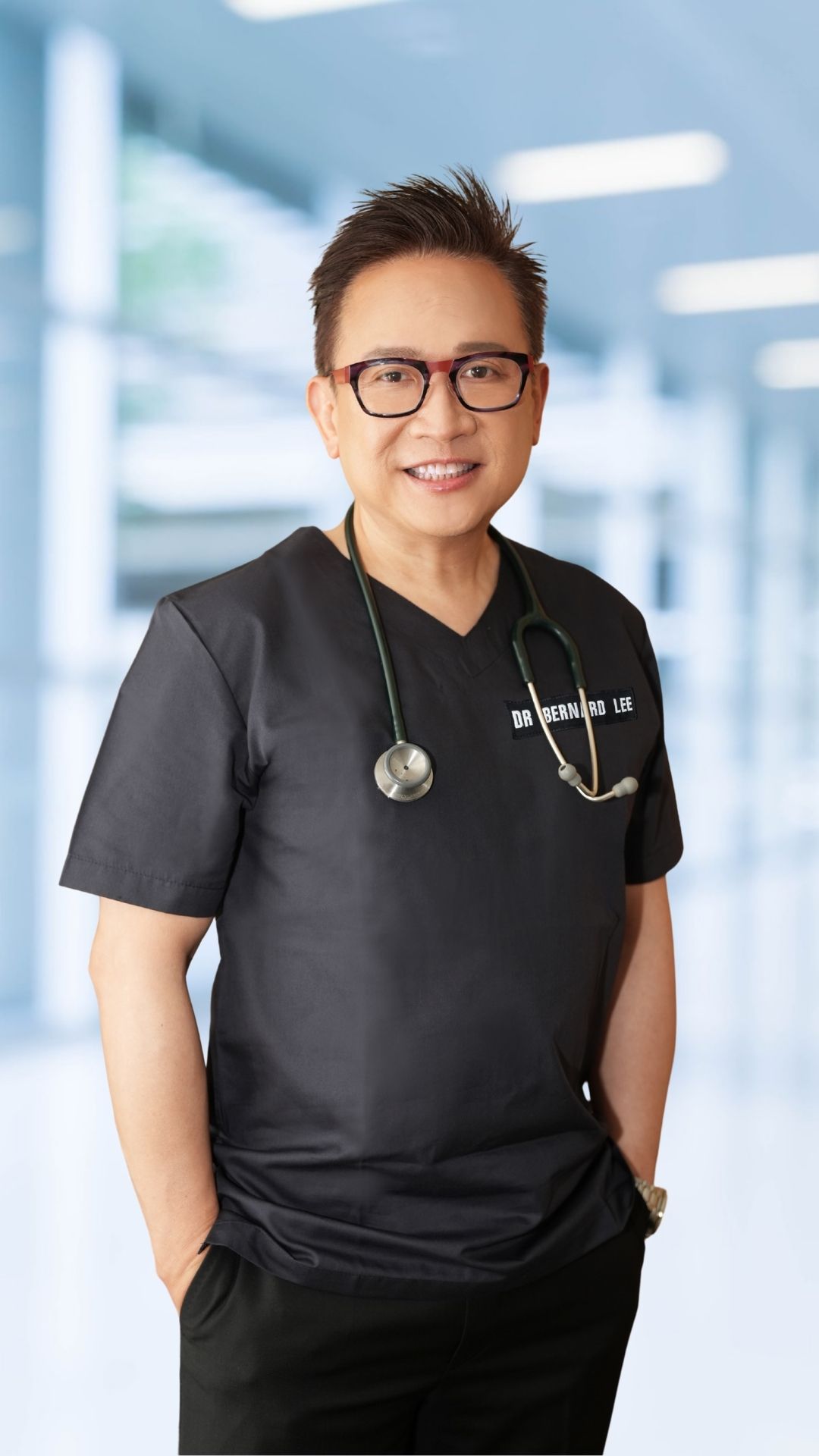
More than 20 years of experiences in treating chronic and complex pain conditions
- MBBS Singapore
- Masters of Medicine (Anaesthesiology), Singapore
- Fellow of the Faculty of Pain Medicine, Australian and New Zealand College of Anaesthetist
- Member of the International Association for the Study of Pain
- Member of Pain Association of Singapore
Dr. Bernard Lee Mun Kam is the founder of Singapore Paincare and a Consultant Pain Specialist at Singapore Paincare Center. He has more than two decades of clinical experience in pain medicine and holds qualifications in anaesthesiology and interventional pain management, including a Masters of Medicine (Anaesthesiology) and Fellowship with the Faculty of Pain Medicine (Australian and New Zealand College of Anaesthetists). He has been a pioneer in developing pain services in Singapore and previously led major hospital pain units, including Tan Tock Seng Hospital and KK Women’s and Children’s Hospital.
Recognised as one of Singapore’s early adopters of interventional pain techniques, Dr. Bernard introduced knifeless treatment methods that use specialised laser and balloon-based procedures for conditions such as slipped discs, nerve compression, arthritis and frozen shoulder. His multi-disciplinary training, including medical acupuncture, supports a comprehensive, evidence-based approach to treating pain without open surgery.
Dr. Bernard has a long-standing commitment to medical education. He has trained and mentored many doctors in Singapore and the region in interventional pain procedures and chronic pain management. Through the Singapore Paincare Academy, he continues to provide structured training for general practitioners, allied health professionals and TCM practitioners, ensuring consistent standards in pain assessment and treatment based on the Painostic® methodology.
Dr. Bernard is frequently invited to television and radio programmes to share his insights on pain conditions, treatment approaches and public education topics. His media contributions reflect his ongoing commitment to raising awareness of pain management and empowering the public with reliable medical information.
Read more about Dr. Bernard Lee