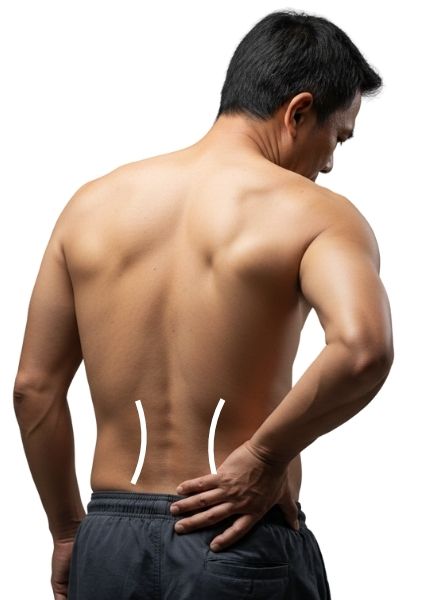
LOWER BACK PAIN

curvy separator line

Lower back pain can quietly take over your day. Sitting becomes uncomfortable, standing feels tiring, and simple movements no longer feel natural. In Singapore, lower back pain is one of the most common reasons adults struggle with work, sleep, and daily activities, affecting both working professionals and seniors. 

For many people, lower back pain improves within a few weeks. However, when pain keeps returning or never fully settles, it often signals an underlying spinal, muscular, or nerve related issue that requires proper assessment. 

At Singapore Paincare, we focus on understanding why your back hurts, not just where it hurts. With accurate diagnosis and targeted, minimally invasive treatments, our goal is to help you move more freely, reduce pain, and return to daily life with confidence. 

What Causes Lower Back Pain?

Lower back pain rarely comes from a single structure. In many people, it develops gradually as everyday strain combines with age related changes in the spine.

Your lower back, also known as the lumbar spine, is made up of vertebrae, discs, joints, nerves, muscles, and ligaments that work together to support movement and stability. Pain often arises when several of these structures are affected at the same time, which is why symptoms can feel different from person to person. Common Causes of Lower Back Pain in Singapore include: 

Muscle Strain and Ligament Sprain

Sudden twisting, heavy lifting, or overuse can strain muscles or stretch ligaments, leading to acute pain and stiffness.

Prolonged Sitting and Poor Posture

Long hours at a desk or on mobile devices can weaken supporting muscles and place uneven pressure on the spine.

Slipped or Prolapsed Disc

When a spinal disc bulges or tears, it may press on nearby nerves, causing back pain together with leg pain, numbness, or tingling, commonly known as sciatica. 

Spinal Nerve Compression or Spinal Stenosis

Nerves can become compressed due to disc bulges, thickened joints, or narrowing of the spinal canal, leading to radiating pain, weakness, or heaviness in the legs.

Disc Degeneration and Inflammation

Age related wear of spinal discs can cause persistent back pain, often worse with prolonged sitting.

Vertebral Compression Fractures

Weakening of spinal bones, often linked to osteoporosis, can result in sudden pain and difficulty moving. 

Facet Joint Wear and Arthritis

Degeneration or inflammation of the small joints at the back of the spine can lead to stiffness and pain with movement or standing.

Sometimes, scans may appear normal even when pain is significant. Muscle and ligament injuries may not show clearly on X rays, but they can still cause real and limiting pain that deserves proper care. 

Types of Lower Back Pain Conditions

Understanding the type of lower back pain helps guide effective treatment.

Inflammatory Back Pain

An inflammatory condition affecting the spine, causing stiffness and pain that is often worse in the morning and improves with movement.

Mechanical and Soft Tissue Back Pain 

Stretching or tearing of ligaments from sudden movement or lifting.

Muscle Strain or Muscle Spasm

Injury or overuse of muscles causing acute pain episodes.

Non Specific Lower Back Pain

Pain without clear abnormalities on imaging, commonly related to muscle imbalance or strain.

Nerve Related Back Pain 

Sharp or burning pain radiating from the lower back into the buttock, thigh, and leg, often with tingling or numbness.

Disc material pressing on nerves, leading to back and leg pain.

Narrowing of the spinal canal causing leg pain, weakness, cramping, or difficulty walking longer distances.

Degenerative Spine Conditions 

Age related degeneration causing stiffness and chronic pain.

Facet Joint Arthropathy

Degeneration or inflammation of facet joints, often aggravated by spinal stress.

Disc Degeneration

Progressive wear of spinal discs contributing to ongoing back pain.

Traumatic or Localised Conditions 

Spinal Fracture or Compression Fracture

Sudden pain following trauma or bone weakening. 

Pain at the base of the spine, often worse with sitting or standing up.

What Are the Symptoms of Lower Back Pain?

Lower back pain symptoms vary depending on the cause and severity. Common symptoms include: 

  • Pain during bending, lifting, or straightening 
  • Relief when lying down or resting 
  • Pain that worsens when carrying heavy objects 
  • Pain radiating into the thigh, leg, or foot 
  • Increased pain when coughing, sneezing, or straining 

Symptoms That Require Urgent Medical Attention 

Seek immediate care if back pain is accompanied by: 

  • Loss of bowel or bladder control 
  • Progressive leg weakness 
  • Severe or unexplained abdominal and back pain 
  • Fever or chills 
  • Unexplained weight loss or history of cancer 
  • Recent major trauma or accident 

What Are The Treatments Options for Lower Back Pain in Singapore?

Conservative Treatments 

Mild to moderate pain may improve with: 

  • Short periods of rest 
  • Supportive bracing for temporary comfort 
  • Exercise and stretching to restore strength and mobility 
  • Posture and lifting education to reduce strain 

Minimally Invasive Procedures 

When pain persists or limits movement, minimally invasive treatments can target the source of pain without open surgery. These procedures are designed to reduce inflammation, decompress irritated nerves, and stabilise affected spinal structures, often with minimal downtime. 

Targeted Muscle and Joint Injections 

Targeted injections are used for muscle strain, ligament irritation, and joint related lower back pain. By delivering medication directly to the painful area, these injections help reduce inflammation, calm overactive pain signals, and support healing, allowing movement to improve. 

Nucleoplasty 

Nucleoplasty is commonly used for slipped discs or disc related lower back pain, especially when a bulging disc compresses nearby nerves and causes sciatica or radiating leg pain. Using a specialised needle, controlled energy reduces pressure within the disc, relieving nerve irritation without open surgery. 

Needle Laser Decompression 

Needle laser decompression is used for disc protrusions and disc related nerve compression. A fine laser fibre is inserted through a needle to reduce disc volume, easing pressure on affected nerves and improving pain related to disc bulge. 

Balloon Decompression Techniques 

Balloon decompression techniques are used for spinal stenosis or nerve root compression, where narrowed spinal spaces irritate nerves and cause leg pain, heaviness, or difficulty walking. Specialised balloon catheters gently widen these narrowed areas to restore space around the nerves. 

Radiofrequency Ablation 

Radiofrequency ablation is used for facet joint pain, spondylosis, and chronic mechanical lower back pain arising from arthritic spinal joints. Heat energy is applied to selected pain transmitting nerves, interrupting pain signals and providing longer lasting relief for movement related back pain. 

Vertebroplasty 

Vertebroplasty is typically recommended for vertebral compression fractures, often related to osteoporosis or weakened spinal bones. By stabilising the fractured vertebra with medical cement, this procedure helps reduce pain, improve spinal support, and restore mobility. 

Surgical Treatment 

Surgery is usually considered only when conservative and minimally invasive treatments are insufficient or when structural correction is necessary. Options may include:  

  • Laminectomy Decompression: An open procedure removing a segment of spine to create space and free compressed nerves. 
  • Instrumental Fusion of Spine: Using screws and plates to fuse spinal segments, creating stability and reducing movement-related pain. 

How Singapore Paincare Treats Lower Back Pain? 

Singapore Paincare uses the proprietary Painostic® approach, developed through years of clinical experience. This approach focuses on identifying the underlying source of back pain, such as joints, discs, nerves, or surrounding soft tissues, rather than addressing symptoms alone.

Treatment begins with the least invasive options and may combine targeted injections, minimally invasive procedures, medication, and rehabilitation. This integrated approach aims to reduce back pain, improve mobility and function, and lower the risk of recurrent episodes.

Preventing Lower Back Pain 

While not all back pain can be avoided, risk can be reduced by: 

  • Staying active and strengthening core muscles 
  • Using proper lifting techniques 
  • Maintaining a healthy body weight 
  • Avoiding smoking 
  • Practising good posture at work and during daily activities 
  • Taking regular breaks from prolonged sitting 

Frequently Asked Questions 

If pain lasts more than a few days, keeps returning, radiates down the leg, or affects daily activities, specialist assessment is recommended.

No. Lower back pain can come from muscles, joints, nerves, degeneration, or inflammation. Accurate diagnosis is essential.

Yes. Many patients improve with conservative care or minimally invasive treatments when the cause is correctly identified.

Most patients return to light activities within one to two days, depending on the treatment.

Many diagnostic and treatment options may be claimable, depending on individual policy coverage.

A Message About Lower Back Pain from Our Pain Specialist 

Lower back pain should not be accepted as just part of life. When pain limits how you move, work, or sleep, it deserves proper attention. With accurate diagnosis and the right treatment plan, most patients can experience meaningful relief and improved quality of life. 

At Singapore Paincare, we are here to guide you every step of the way and help you move forward safely and confidently.