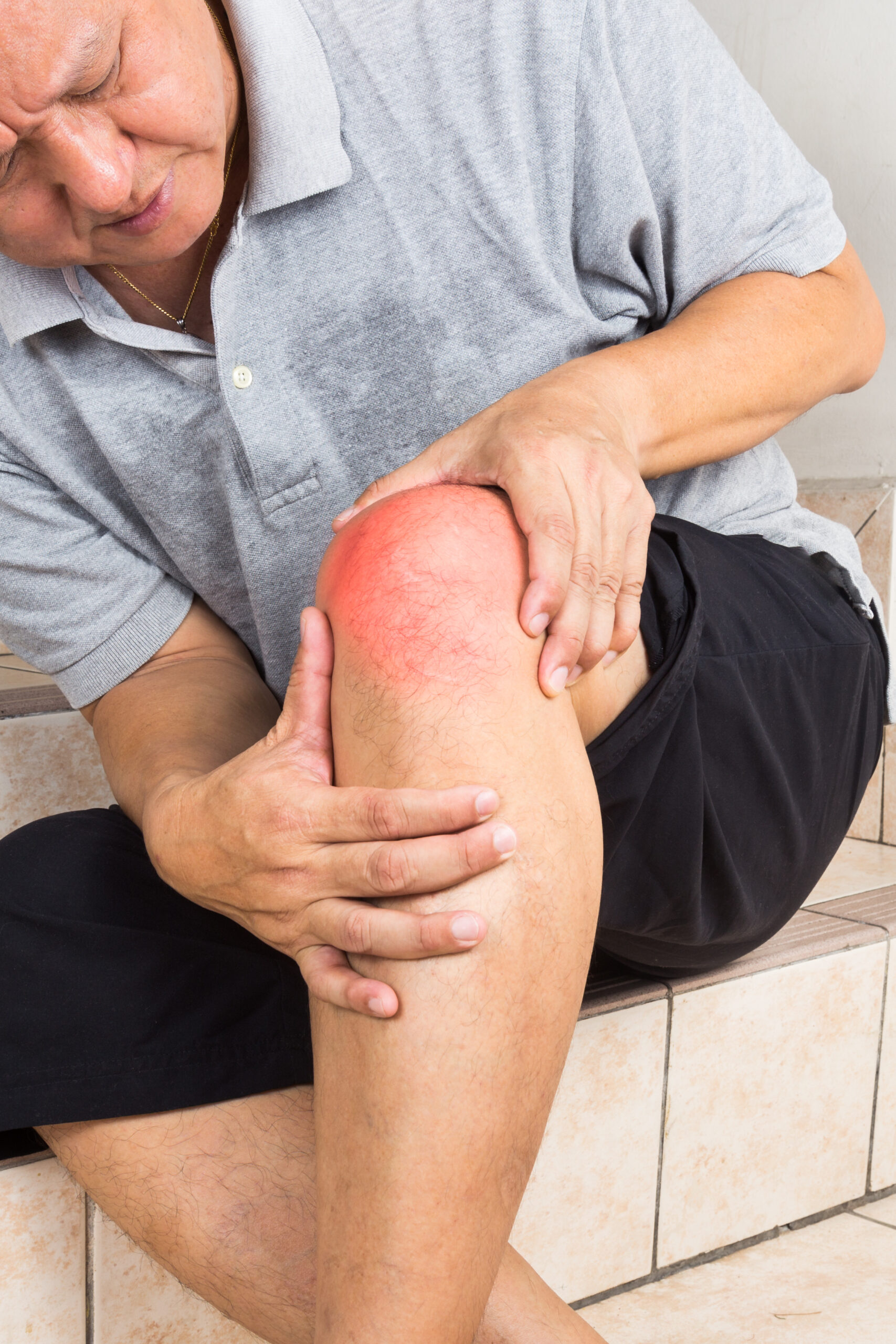
Common Causes of Knee Pain
Understanding what's behind your symptoms helps guide the right treatment. Some common causes include:
- Knee osteoarthritis: Gradual cartilage wear that leads to pain during walking, climbing stairs, or standing for long periods. Stiffness may be worse in the morning.
- Rheumatoid arthritis: An autoimmune condition causing joint inflammation, warmth, and swelling. Pain often affects both knees.
- Meniscus tear: A tear in the cushioning cartilage of the knee, causing locking, clicking, or sharp pain during twisting or squatting.
- Runner's knee (Patellofemoral Pain Syndrome): Pain around or behind the kneecap due to muscle imbalance or overuse. Symptoms often worsen with stairs, running, or prolonged sitting.
- ACL tear: A ligament injury often caused by sudden stops or pivots. It may cause instability, swelling, and difficulty bearing weight.
Each condition affects the knee differently, which is why an accurate evaluation is key to restoring comfortable movement.
How Knee Pain Is Diagnosed?
Your assessment begins with a careful evaluation of how your knee moves, how your muscles function, and whether nerves are involved. X-rays or MRI may be recommended if structural changes are suspected.
But scans alone don't always explain the pain. Many people show age-related changes that may not be the real source of discomfort. What matters is understanding what actually triggers your symptoms.
Painostic® Approach
At Singapore Paincare, we use the Painostic® approach — a structured method that identifies the exact pain generator through detailed clinical examination and image-guided diagnostic blocks. This helps determine whether your pain comes from the joint, soft tissues, ligaments, or nerves.
By pinpointing the real source, you receive a treatment plan that is clearer, more targeted, and tailored to your daily needs and recovery goals. This supports better long-term comfort and function.
Knee Pain Treatment Options in Singapore
Conservative Treatments
Before considering procedures, many patients start with:
- Medications for pain or inflammation
- Physiotherapy and muscle strengthening
- Activity modification
- Supportive braces or taping
Minimally Invasive Treatment
When knee pain persists or begins to affect daily life, minimally invasive procedures offer targeted relief with short recovery time. These treatments aim to reduce inflammation, calm irritated nerves, and restore smoother movement.
Myospan Injection
Myospan injections target the muscles, ligaments, tendons, joints, and nerves surrounding the knee to break the pain cycle, reduce inflammation, and support healing. Different injections are used depending on whether the main issue arises from soft tissue irritation, joint inflammation, or abnormal nerve signals.
- Coreflex Injections: A blend of local anaesthetic, anti-inflammatory medication, and muscle relaxants designed to relieve soft tissue strain and tightness around the knee — especially useful for overuse injuries or kneecap-related discomfort.
- PRP Prolotherapy (Platelet-Rich Plasma): Uses your own platelets to promote tissue repair. Helpful for tendon injuries, ligament strain, and early cartilage wear. Many patients experience improved stability and comfort with movement.
- Intra-Articular Knee Joint Injections: Delivers medication directly into the knee joint to reduce swelling, stiffness, and pressure — commonly used for osteoarthritis or joint inflammation.
- Myofascial Pain Injections: Relieves tight, overactive muscles around the thigh or calf that place extra strain on the knee.
- Peripheral Nerve Block: Targets irritated nerves that send persistent pain signals. This offers relief from sharp or radiating knee pain and allows patients to engage more comfortably in rehabilitation.
Neurospan
Some knee pain is driven by nerve sensitivity rather than joint damage. Neurospan therapies are designed to calm irritated nerves and reduce chronic pain at its source.
- Radiofrequency Ablation (RF): Uses controlled heat to disrupt pain pathways from specific nerves. Commonly used for knee osteoarthritis, it can provide longer-lasting relief while maintaining mobility.
- Pulsed Radiofrequency: A gentler form of RF that uses electrical energy to modulate nerve activity without damaging the nerve structure. Suitable for chronic nerve-related knee pain.
Your Journey at Singapore Paincare Center
Patients often want to know what to expect during their treatment. Our structured care pathway ensures clarity, comfort, and long-term results.
Step 1: Comprehensive Pain Assessment
Your care begins with a detailed evaluation using our Painostic® method. Our specialist reviews your medical history, posture, movement, and pain patterns. Imaging such as X-rays or MRI may be reviewed or arranged to confirm the diagnosis.
Step 2: Personalised Treatment Plan
Once the cause is identified, you will receive a treatment plan tailored to your condition, lifestyle, and recovery goals. Your doctor will explain the treatment options and expected outcomes clearly.
Step 3: Treatment Delivery
We offer a full range of minimally invasive procedures that are performed as outpatient or day-surgery treatments. Rehabilitation support such as physiotherapy or guided exercises may also be included to enhance recovery.
Step 4: Follow-up Care
Your progress is monitored closely. We adjust your treatment plan when necessary to help you achieve long-term relief and prevent the pain from returning.
When to See a Knee Pain Specialist in Singapore
Seek medical attention if you experience:
- Pain lasting more than a few weeks
- Swelling or locking of the knee
- Difficulty walking or climbing stairs
- Knee pain affecting daily function or sleep
- Pain after a fall or sports injury
Early intervention helps prevent long-term stiffness and joint damage.
Take the First Step Toward Knee Pain Relief
When knee pain makes daily movement difficult, it can affect not just your mobility but your confidence and independence. You don't have to live with that limitation.
Singapore Paincare offers precise diagnosis and minimally invasive treatments designed to restore comfortable movement and help you return to an active, steady life. Book a consultation to understand the cause of your pain and the treatment options that can help you move confidently again.
FAQs About Knee Pain Treatment in Singapore
Hotline: +65 8777 9500
Singapore Paincare Centers