
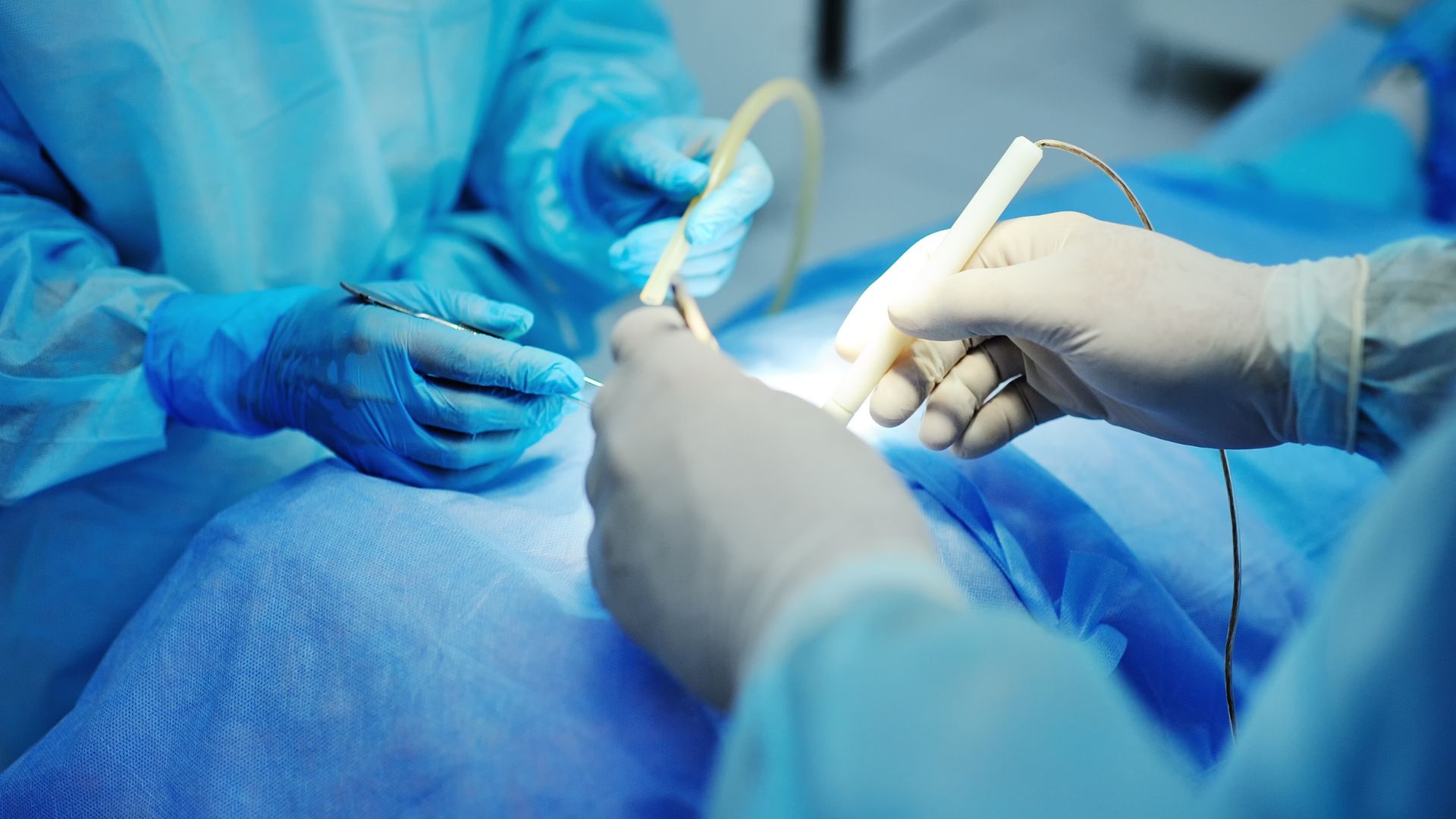
Is Sciatica Surgery the Only Option? Exploring Non-Surgical Treatment Options
June 11, 2026
CONTENTS
- What Is Sciatica, and Why Is It So Common in Singapore?
- Is Sciatica Surgery the Only Option?
- When Is Sciatica Surgery Actually Necessary?
- Non-Surgical Treatment Options for Sciatica in Singapore
- Sciatica Symptoms: When Should You Take Action?
- When to See a Sciatica Specialist
- Self-Management Tips for Sciatica
- Speak to a Sciatica Specialist in Singapore
- Frequently Asked Questions
Quick Answer:
No. Sciatica surgery is not the only option, and for the vast majority of patients, it is not the first option either. Most people with sciatica can achieve meaningful, lasting relief through non-surgical approaches, including targeted minimally invasive procedures, physiotherapy, and pharmacotherapy. Surgery is typically considered only when structural causes have not responded to non-operative care, or when there is progressive neurological deterioration.
If you have been told you need surgery for sciatica, it is completely natural to feel alarmed, and equally natural to ask whether there is another way. The truth is, surgery is one of the most infrequently required interventions for sciatica. Many people who are told they may need an operation eventually achieve full relief without going near an operating theatre.
That said, not all sciatica is the same. Understanding what is actually causing your nerve pain, and whether that cause genuinely requires surgery, is the critical first step. This article walks you through what sciatica is, when surgery might be warranted, and the wide range of non-surgical treatments available in Singapore today.
What Is Sciatica, and Why Is It So Common in Singapore?
Sciatica is not a diagnosis in itself. It is a symptom pattern. It describes pain, numbness, tingling, or weakness that radiates along the sciatic nerve, the longest nerve in the human body. This nerve originates in the lower back, travels through the buttock, and branches down each leg to the foot and toes.
In Singapore, sciatica is among the most common causes of back and leg pain seen in clinical practice. A peer-reviewed study of the central Singapore population found that 8.1% of adults reported chronic low back pain, a primary precursor to sciatica, and that figure rises significantly with age, sedentary work habits, and obesity (National University of Singapore, 2022). Globally, annual sciatica prevalence in the general population ranges from 9.9% to 25%, with lifetime incidence in low back pain sufferers estimated at 5 to 10% (Scientific Reports, 2025).
Singapore’s lifestyle profile amplifies this risk. Long office hours, prolonged MRT commutes, desk-bound work environments, and a high prevalence of sedentary behaviour all place sustained compressive load on the lumbar spine. A local survey of office workers found that 42% reported lower back pain, one of the most significant risk factors for developing sciatica (Macquarie Chiropractic Singapore, 2025).
Sciatica most commonly affects adults aged 30 to 50, but clinicians at Singapore General Hospital have reported treating patients as young as 18, and the age of onset appears to be declining as desk-bound work and device use increase from an earlier age.
Types of Sciatica and Why It Matters for Treatment
Sciatica is not a single condition. It has two fundamentally different origins:
Spinal sciatica (radiculopathy): Accounts for approximately 70% of cases. The nerve root is compressed within the lumbar or sacral spine, most often at the L4, L5, or S1 levels, typically due to a herniated disc, degenerative bone spurs, or spinal stenosis.
Extra-spinal sciatica: Accounts for approximately 30% of cases. The sciatic nerve is irritated by structures outside the spine. The most common cause is the piriformis muscle in the deep buttock. The symptoms can feel identical to spinal sciatica, which is why accurate diagnosis is essential. Treating a piriformis muscle problem as though it were a spinal disc issue will not relieve the pain, no matter how excellent the treatment.
Is Sciatica Surgery the Only Option?
No. For most people, it should not be the first option either.
This is one of the most important questions a sciatica patient can ask, because the answer shapes everything that follows. Surgery for sciatica is a genuine last resort in the majority of cases, not a default recommendation. Research consistently shows that 80 to 90% of patients with sciatica improve significantly with non-surgical management when the underlying cause is accurately identified and treated (Scientific Reports, 2025).
The widespread assumption that sciatica requires surgery often comes from two sources: a frightening MRI report showing a disc bulge or nerve compression, and pain severe enough to make the idea of a quick surgical fix seem appealing. Both are understandable, but neither alone justifies an operation.
Here is what the evidence and clinical experience at Singapore Paincare actually show:
Most sciatica is not surgical in origin. Approximately 30% of sciatica cases are caused by extra-spinal sources, primarily the piriformis muscle, which no spinal surgery can address. Even among spinal causes, mild to moderate disc herniations frequently resolve or stabilise without intervention when the nervous system is properly supported.
Minimally invasive procedures bridge the gap. Between physiotherapy and open surgery lies a well-developed range of image-guided, day-surgery procedures, including epidural injections, nucleoplasty, neuroplasty, and radiofrequency treatment. These can decompress the affected nerve directly without a single surgical incision. They are not experimental options; they represent established, evidence-based pain medicine practice.
Surgery without an accurate diagnosis is high-risk. If the true source of your sciatica has not been correctly identified, surgery on the wrong structure will not relieve your pain and may make recovery more complex. This is why accurate diagnosis, not imaging alone, must come first.
The right question is not “do I need surgery?” It is “what is actually causing my sciatica, and what is the least invasive treatment that addresses that source?”
When Is Sciatica Surgery Actually Necessary?
This is the question most patients want answered directly. The honest answer is: rarely as a first step.
Surgery for sciatica is typically considered when:
- Progressive neurological deterioration is occurring, including worsening weakness, foot drop, or loss of bladder or bowel control (a medical emergency known as cauda equina syndrome)
- A structural cause has been confirmed on imaging, such as a significantly herniated disc pressing on a specific nerve root
- Non-surgical treatment has been sustained for at least 6 to 12 weeks without adequate improvement
- The structural cause is not amenable to minimally invasive procedures at the specialist’s assessment
The most important thing to understand is this: a disc bulge or mild spinal stenosis seen on MRI does not automatically mean surgery is required. Structural findings on imaging are common even in people with no symptoms at all. What matters clinically is whether that finding is the actual source of your pain, and that requires more than a scan to determine.
Non-Surgical Treatment Options for Sciatica in Singapore
The following treatment categories represent the current evidence-based, non-surgical pathway for sciatica management.
Conservative Treatments
For mild to moderate sciatica, non-invasive approaches form the appropriate starting point:
- Physiotherapy and rehabilitation: A structured programme strengthens the deep stabilising muscles of the lower back and pelvis, corrects postural imbalances, and reduces mechanical load on the affected nerve root. Physiotherapy is most effective when paired with an accurate diagnosis so that exercises target the right structure.
- Pharmacotherapy: Anti-inflammatory medications (NSAIDs such as diclofenac or celecoxib), muscle relaxants, and neuropathic agents (gabapentin, pregabalin) may be used to manage pain and support nerve recovery. In selected cases, low-dose antidepressants (amitriptyline) can help modulate pain signals.
- Activity modification: Avoiding prolonged sitting, using correct lifting mechanics, and incorporating low-impact movement such as walking or swimming can reduce nerve irritation during recovery.
- Heat and cold therapy: Applied appropriately to the lower back and buttock region as part of a home management plan.
Minimally Invasive Procedures: NEUROSPAN
When conservative care does not provide sufficient relief, or when the Painostic® diagnostic assessment identifies a specific nerve compression source, minimally invasive procedures can target the pain directly. At Singapore Paincare, these spinal and nerve-targeted interventions are delivered under the NEUROSPAN pathway:
| Procedure | How It Helps |
|---|---|
| Epidural Analgesia | Epidural steroid and local anaesthetic delivered at the precise spinal level to treat radicular (nerve) pain and axial back pain directly at the source. |
| Pulsed Radiofrequency (PRF) | Lower-temperature radiofrequency that desensitises pain-causing nerve roots without ablation, preserving nerve function while reducing transmission of pain signals. |
| Radiofrequency Ablation (RFA) | Radiofrequency energy disrupts painful nerve signal transmission, providing long-lasting relief for chronic nerve and facet joint pain. |
| Neuroplasty | Catheter-based procedure that mechanically dilates the compressed spinal canal, breaks adhesions around trapped nerve roots, and delivers anti-inflammatory medication directly to the entrapment site. |
| Nucleoplasty | Controlled plasma ablation that decompresses a herniated disc by reducing its volume, directly relieving pressure on the sciatic nerve root; indicated for disc-related sciatica. |
| Endoscopic Laser Decompression | A 1cm-diameter rigid port with camera is inserted into the spine. Bone spurs and disc tissue are precisely lasered under direct vision with minimal surrounding tissue disruption. |
| Peripheral Nerve Block | Local anaesthetic and anti-inflammatory injected around the specific nerve or nerve bundle to interrupt pain signal transmission; used both diagnostically and therapeutically. |
Minimally Invasive Procedures: MYOSPAN
For extra-spinal sciatica, particularly piriformis syndrome, soft tissue and muscle-targeted procedures under the MYOSPAN pathway are highly effective:
| Procedure | How It Helps |
|---|---|
| Coreflex Injections | Precision-guided injection combining local anaesthetic, anti-inflammatory, and muscle relaxant delivered directly to the piriformis muscle or nerve irritation site; breaks the pain cycle and reduces inflammation. |
| Myofascial Block | Local anaesthetic and anti-inflammatory (with or without botulinum toxin) injected into the piriformis or other tense, knotted muscle to flush accumulated irritants and prevent chronic spasm. |
| Botulinum Toxin Injections | Targeted injection to relax the piriformis or other overactive muscles compressing the sciatic nerve. |
| Platelet-Rich Plasma (PRP) | Regenerative injection using the patient’s own platelets to stimulate tissue repair and reduce chronic inflammation around the nerve. |
Singapore Paincare has delivered minimally invasive pain procedures as an alternative to open surgery for over a decade, offering patients meaningful, targeted relief without the risks or recovery burden of conventional surgery.
Sciatica Symptoms: When Should You Take Action?
You may notice one or more of the following signs that your sciatic nerve is being irritated or compressed:
- Sharp, burning, or shooting pain starting in the lower back or deep buttock, travelling down the back of the thigh into the calf or foot
- A “pins and needles” sensation (paraesthesia) in the leg, calf, or toes
- Numbness along the outer calf, top of the foot, or heel
- Weakness in the affected leg or foot, including difficulty walking normally or lifting the foot
- Pain that worsens with prolonged sitting, coughing, or sneezing
- Pain that eases when lying flat but returns when you stand or walk for extended periods
- Symptoms confined to one side of the body (though both sides can be affected)
Seek urgent care immediately if you experience loss of bladder or bowel control alongside leg pain. This may indicate cauda equina syndrome, a rare but serious condition that requires emergency assessment.
When to See a Sciatica Specialist
Consider booking an assessment with a pain specialist if:
- Sciatica pain persists beyond four weeks without improvement
- Your pain is severe enough to interfere with sleep, work, or daily activities
- You are experiencing leg or foot weakness, numbness, or tingling that is worsening
- You have been advised to consider surgery and want to explore all non-surgical options first
- Conservative management (rest, physiotherapy, over-the-counter medications) has not provided adequate relief
- You have previously had sciatica treatment that failed or symptoms have returned
Early specialist assessment matters. When sciatica is addressed promptly and accurately, the risk of chronic nerve sensitisation, where the nervous system itself becomes persistently over-reactive, is substantially reduced.
Self-Management Tips for Sciatica
The following daily habits can reduce nerve irritation and support recovery alongside any treatment plan:
- Stand and move every 30 to 45 minutes. Prolonged sitting compresses the lumbar discs and tightens the piriformis muscle. Setting a timer to take short walking breaks throughout the workday reduces sustained nerve pressure.
- Strengthen your core and deep stabilisers. Specific exercises targeting the transversus abdominis and lumbar multifidus muscles provide dynamic support to the spine. Ask your physiotherapist for a programme tailored to your diagnosis.
- Maintain a healthy weight. Each kilogram of excess body weight adds several kilograms of compressive load to the lumbar spine. Even modest weight reduction can meaningfully reduce nerve pressure.
- Use correct lifting technique. Always bend at the knees rather than the waist, keep the load close to your body, and avoid twisting while lifting. This is especially important when disc herniation is present.
- Sleep with lumbar support. Sleeping on your side with a pillow between your knees keeps the spine in a neutral alignment and reduces overnight compression of the affected nerve root.
Speak to a Sciatica Specialist in Singapore
If you are living with sciatica, or have been told surgery may be necessary, you deserve a thorough specialist assessment before committing to any major intervention. At Singapore Paincare, Dr. Bernard Lee Mun Kam and our pain specialist team take a comprehensive approach to sciatica that goes far beyond imaging. Using the Painostic® diagnostic methodology, we identify the true source of your nerve pain, whether that is a compressed nerve root, a herniated disc, a tight piriformis muscle, or a combination of factors, and build a personalised, minimally invasive treatment plan designed to deliver lasting relief.
No referral is required to book a consultation.
Read More: Sciatica
Frequently Asked Questions
Is sciatica surgery the only option for treating nerve pain in the leg?
No. Surgery is rarely the first or only option for sciatica. The majority of patients achieve meaningful relief through non-surgical approaches, including physiotherapy, pharmacotherapy, and minimally invasive procedures such as epidural injections, nerve blocks, nucleoplasty, and neuroplasty. Surgery is considered when structural causes have not responded to non-operative management, or when progressive neurological deterioration is present.
How do I know if I have sciatica or piriformis syndrome?
Both produce similar symptoms: pain radiating from the buttock down the leg. Spinal sciatica stems from nerve root compression within the lumbar spine and is typically associated with back pain worsened by standing or coughing. Piriformis syndrome is caused by the piriformis muscle in the buttock compressing the nerve, and tends to worsen with prolonged sitting or hip rotation. Accurate diagnosis requires clinical assessment, not MRI alone.
Does persistent sciatica mean my condition is getting worse?
Not necessarily. Chronic sciatica can persist due to ongoing nerve compression or inflammation without necessarily worsening structurally. However, symptoms that are spreading, increasing in intensity, or accompanied by progressive leg weakness or bladder and bowel changes should always be assessed promptly. Early specialist review reduces the risk of permanent nerve damage.
Can minimally invasive procedures help sciatica without surgery?
Yes. Procedures such as epidural steroid injections, pulsed radiofrequency, neuroplasty, and nucleoplasty can target the source of nerve compression directly, without the risks, hospital admission, or prolonged recovery associated with open spinal surgery. These procedures are performed on a day-surgery or outpatient basis and are appropriate for many patients who have not improved with conservative care.
Is sciatica surgery always the last resort?
In most cases, yes. Surgical options such as microdiscectomy and laminectomy are typically considered only after sustained non-surgical treatment has not provided adequate relief, or when there is a confirmed structural cause that cannot be safely addressed by minimally invasive means. Many patients who were initially told they needed surgery find that an accurate diagnosis followed by targeted minimally invasive procedures resolves their symptoms without an operation.
Where can I see a sciatica specialist in Singapore for a non-surgical assessment?
Singapore Paincare Medical Group offers specialist sciatica assessment and non-surgical treatment in Singapore, with clinics at Paragon Medical Centre (Orchard) and Novena Medical Centre. Dr. Bernard Lee Mun Kam, Founder and Consultant Pain Specialist with over 20 years of experience, leads the sciatica programme. No referral is required. You can book a consultation directly via sgpaincare.com/pain-conditions/sciatica/.
About Singapore Paincare
Singapore Paincare is a specialist pain management group led by consultant pain specialists with over 20 years of clinical experience. The group operates from clinics at Paragon and Novena, offering minimally invasive pain treatments guided by the proprietary Painostic diagnostic methodology. No referral is needed to book a consultation.
Medical Disclaimer: This article is intended for general informational purposes only and does not constitute medical advice. Please consult a qualified healthcare professional for diagnosis and treatment tailored to your individual condition.