Knee Pain Specialist in Singapore

Non-surgical Knee Pain Treatment
Dr. Bernard Lee Mun Kam (李文鉴医生)
Consultant Pain Specialist, Singapore Paincare Center
Dr Bernard Lee is the founder of Singapore Paincare and a Consultant Pain Specialist at Singapore Paincare Center. With over 20 years of clinical practice, he developed the Painostic®️ approach to guide evidence-based, minimally invasive procedures. Alongside his patient care, he trains the next generation of doctors in interventional techniques for chronic pain and orthopaedic conditions.

Knee Pain Specialist in Singapore
Non-Surgical Knee Pain Treatment
Dr. Bernard Lee Mun Kam
(李文鉴医生)
Consultant Pain Specialist, Singapore Paincare Center
Dr Bernard Lee is the founder of Singapore Paincare and a Consultant Pain Specialist at Singapore Paincare Center. With over 20 years of clinical practice, he developed the Painostic®️ approach to guide evidence-based, minimally invasive procedures. Alongside his patient care, he trains the next generation of doctors in interventional techniques for chronic pain and orthopaedic conditions.
When Should You See A Knee Pain Specialist?
Red flags for knee pain are warning signs that suggest a more serious underlying condition. You should consider consulting a knee pain specialist promptly if you experience:
- You can’t bear weight on your knee or feel as if your knee is unstable (gives out)
- Have marked knee swelling
- Are not able to fully extend or flex your knee
- Have affected sleep due to painful knee
- Notice an obvious deformity in your leg or knee
- Experience a fever, in addition to redness, pain and swelling in your knee
- Experience severe knee pain that is associated with an injury
These may indicate a more serious condition that requires proper evaluation.
A Message About Knee Pain From Our Pain Specialist
“Knee pain may or may not be serious, but it should not be ignored when it persists or keeps returning. Some conditions, such as osteoarthritis, can gradually worsen over time and may lead to increasing pain, joint changes, and reduced mobility if left untreated. Even minor knee injuries can make you more prone to similar issues in the future, especially if the underlying mechanics are not addressed.
At Singapore Paincare, we focus on identifying the true cause of your knee pain through a detailed assessment of the joint, surrounding soft tissues, and related structures. This allows us to design a personalised treatment plan and use minimally invasive procedures when suitable to help relieve discomfort and restore comfortable movement. Our aim is to support your recovery and help you return to your daily activities with greater confidence.”
What Are The Knee Pain Conditions We Treat?
The types of knee pain conditions we treat include:
- Knee Meniscus Tear: A tear in the cartilage that cushions the knee joint. It often causes sharp pain, swelling, and difficulty bending or twisting the knee.
- Knee Osteoarthritis: Progressive wear of the knee cartilage that leads to stiffness, aching pain, and reduced mobility, especially during weight-bearing activities.
- Rheumatoid Arthritis: An autoimmune condition that inflames the knee joint lining, causing persistent swelling, warmth, and morning stiffness.
Not sure what’s causing your knee pain?
With our Painostic® approach, our pain specialists go beyond surface symptoms to identify the real source of your knee pain. Through a detailed clinical assessment and targeted diagnostics, we develop a personalised treatment plan focused on relieving pain, restoring movement, and preventing recurrence.
Your Journey at Singapore Paincare Center
Step 1: Comprehensive Pain Assessment
Step 2: Personalised Treatment Plan
After your knee pain assessment is completed, you will receive a treatment plan tailored to your condition, symptoms, and functional needs. We will explain the likely cause of your knee pain, whether it is related to the joint, cartilage, ligaments, tendons, muscles, or surrounding soft tissues, together with the treatment options available and what to expect during recovery.
Step 3: Treatment Delivery
- Minimally Invasive Procedures – Targeted treatments may be recommended for suitable knee pain conditions, including cases involving knee osteoarthritis, ligament or tendon injuries, inflammation, cartilage wear, or persistent joint pain. These are typically performed as outpatient or day-surgery procedures where appropriate.
- Rehabilitation Support – Physiotherapy guidance, gait correction, stretching, and strengthening exercises may be incorporated to improve knee mobility, restore function, and reduce recurrence.
- Integrated Care – Additional supportive options may be considered when appropriate to complement recovery and improve overall symptom control.
Step 4: Follow up Care
Your progress will be reviewed regularly to monitor pain relief, knee movement, and functional improvement. Treatment may be adjusted based on your response, with the aim of achieving sustained recovery, better mobility, and long-term relief from knee pain.
Myospan Injection
Myospan injections target muscles, ligaments, tendons, joints, and nerves to break the pain cycle, reduce inflammation, and improve healing. Depending on the painful condition, different injections may be utilised to either remove the pain generator or stop the pain signals. Myospan treatments include:
- Coreflex injections
- Platelet-Rich Plasma Prolotherapy
- Intra-Articular Injections
- Myofascial Pain injections
- Peripheral Nerve Block
Neurospan
Neurospan treatments may be used for knee pain that originates from lumbar spinal nerve compression, such as nerve irritation caused by slipped discs or bone spurs. These procedures help decompress affected nerves, release tight or scarred tissues, and reduce nerve sensitivity by addressing the spinal source of the referred knee pain rather than the knee joint itself. Treatments option include:
For a full overview of the minimally invasive procedures available for knee pain, visit our knee pain treatment in Singapore Page
Our Pain Specialist
Dr. Bernard Lee Mun Kam
(李文鉴医生)
Consultant Pain Specialist
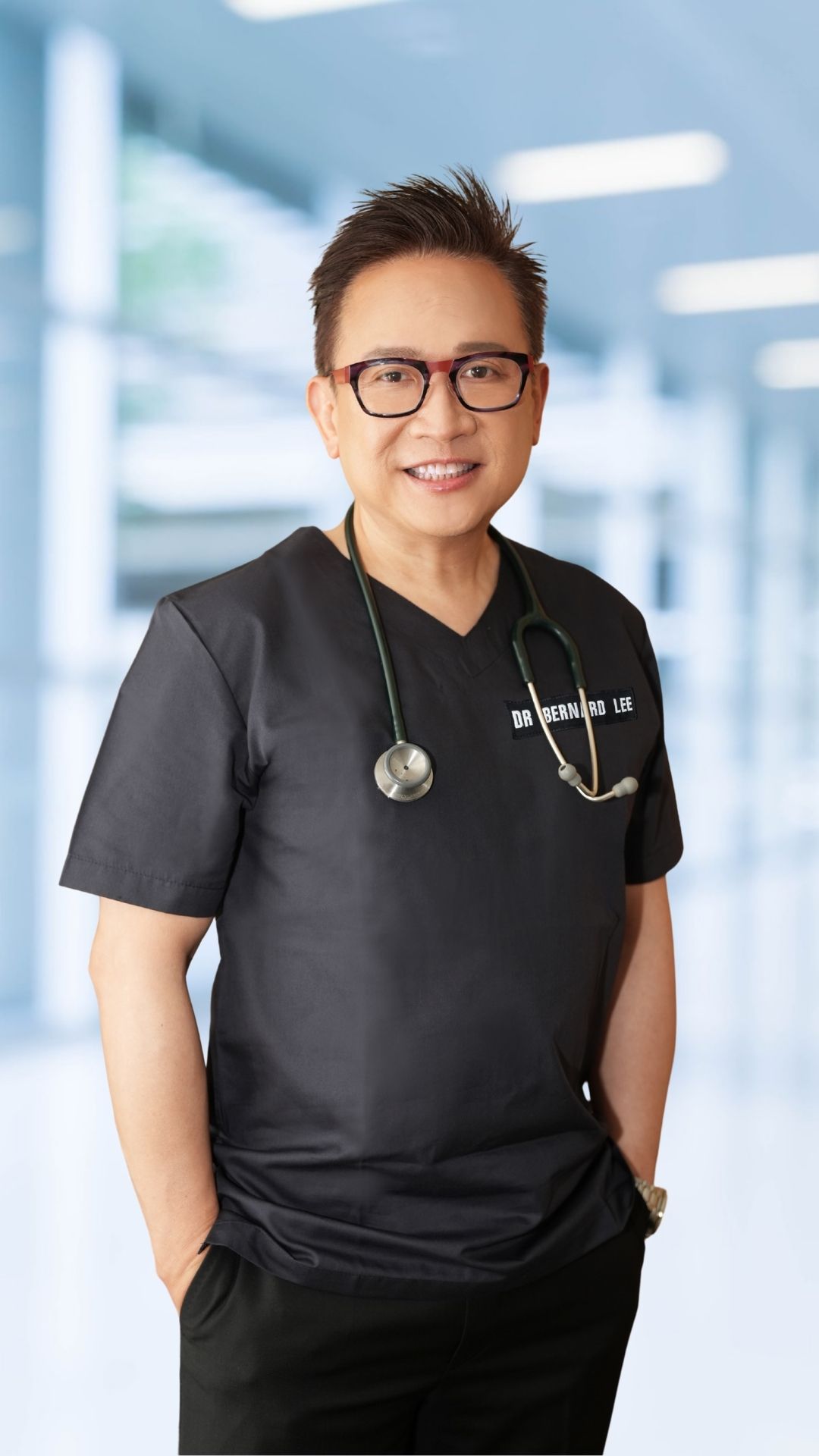
More than 20 years of experiences in treating chronic and complex pain conditions
- MBBS Singapore
- Masters of Medicine (Anaesthesiology), Singapore
- Fellow of the Faculty of Pain Medicine, Australian and New Zealand College of Anaesthetist
- Member of the International Association for the Study of Pain
- Member of Pain Association of Singapore
Dr. Bernard Lee Mun Kam is the founder of Singapore Paincare and a Consultant Pain Specialist at Singapore Paincare Center. He has more than two decades of clinical experience in pain medicine and holds qualifications in anaesthesiology and interventional pain management, including a Masters of Medicine (Anaesthesiology) and Fellowship with the Faculty of Pain Medicine (Australian and New Zealand College of Anaesthetists). He has been a pioneer in developing pain services in Singapore and previously led major hospital pain units, including Tan Tock Seng Hospital and KK Women’s and Children’s Hospital.
Recognised as one of Singapore’s early adopters of interventional pain techniques, Dr. Bernard introduced knifeless treatment methods that use specialised laser and balloon-based procedures for conditions such as slipped discs, nerve compression, arthritis and frozen shoulder. His multi-disciplinary training, including medical acupuncture, supports a comprehensive, evidence-based approach to treating pain without open surgery.
Dr. Bernard has a long-standing commitment to medical education. He has trained and mentored many doctors in Singapore and the region in interventional pain procedures and chronic pain management. Through the Singapore Paincare Academy, he continues to provide structured training for general practitioners, allied health professionals and TCM practitioners, ensuring consistent standards in pain assessment and treatment based on the Painostic® methodology.
Dr. Bernard is frequently invited to television and radio programmes to share his insights on pain conditions, treatment approaches and public education topics. His media contributions reflect his ongoing commitment to raising awareness of pain management and empowering the public with reliable medical information.
Read more about Dr. Bernard Lee
Why Choose Dr. Bernard Lee
Insurance Panel








*Coverage applies to specific doctors. Please contact the clinic for details.
FAQs on Knee Pain in Singapore
Last Reviewed May 2026