What Are the Types of Spondylosis?
What Are the Symptoms of Spondylosis?
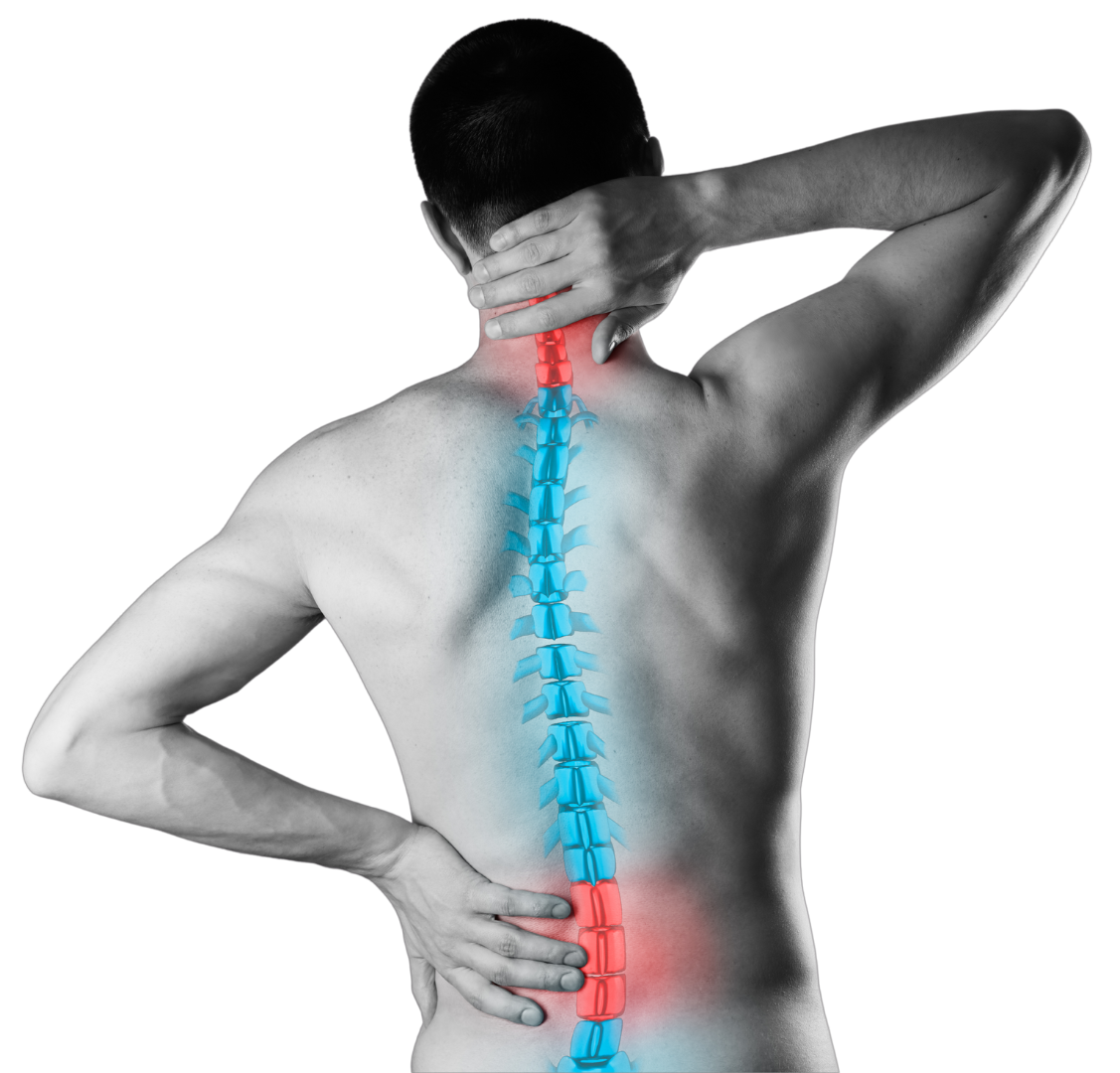
Spondylosis symptoms can range from mild discomfort to severe, daily limitations. If your pain persists, worsens, or comes with numbness or weakness in your limbs, it's best to have it assessed by a spondylosis specialist.
- Pain and Stiffness: Stiffness and mild pain that can worsen with movement or after being stationary for a long time.
- Difficulty in Walking: Severe symptoms that may include weakness in the legs and loss of balance.
- Other Severe Symptoms: Headaches, muscle spasms, grinding or popping feeling when moving the spine, and loss of bladder or bowel control.
What Are the Treatment Options for Spondylosis in Singapore?
Conservative Treatments
If your spondylosis is mild or moderate, you may benefit from conservative treatments, including:
- Physical Therapy: Targeted exercises, resistance training, and stretching can help reduce pain, increase joint motion, and reduce muscle loss to better support your spine. However, the intensity and type of exercise is tailored to your condition.
- Spinal Bracing: Tools like soft back supports (lumbar corsets) can temporarily stabilize your spine, help prevent aggravation during activities, and improve your posture throughout the day—particularly helpful during Singapore’s long work hours.
- Pharmacological Treatment: Prescriptions of varying medications such as NSAIDs have anti-inflammatory and analgesic effects. These drugs may help to relieve pain.
Minimally Invasive Procedures
If your symptoms do not improve or continue to interfere with movement, minimally invasive treatments can target the real source of pain without the need for open surgery. At Singapore Paincare, we offer precise procedures designed to relieve pain at its origin.
Surgical Treatment
Surgery is usually considered only in more serious situations — such as when a pinched nerve causes severe numbness, progressive weakness, or problems with bowel or bladder control, and when these symptoms are likely to worsen without intervention.
During surgery, the goal is to relieve pressure on the affected nerves. This may involve removing the disc or bone that is causing compression. In some cases, the spine may be stabilised by fusing nearby vertebrae, or the damaged disc may be replaced with an artificial one. These procedures are carefully considered due to their longer recovery time and higher risks compared to non-surgical treatments.
How to Prevent Spondylosis?
While you can't stop aging or completely avoid spondylosis, these practices can help keep your spine healthy and reduce your risk of painful symptoms:
- Get plenty of rest and prioritize quality sleep with proper pillow and mattress support
- Exercise regularly to maintain flexibility and strengthen the muscles that support your spine
- Maintain good posture throughout the day, especially during long hours at your desk or using devices
- Maintain a healthy weight to reduce stress on your spine
- Take regular breaks to move and stretch, preventing stiffness from prolonged sitting
Frequently Asked Questions
A Message About Spondylosis from Our Pain Specialist
Spondylosis is often painless. In many people, the discomfort they experience does not come directly from spinal wear and tear, but from related issues such as nerve compression, disc-related pain, facet joint arthritis, or spinal instability.
This is why treatment focuses on identifying and addressing the true source of pain, rather than the degeneration alone. When the underlying pain condition is treated accurately, symptoms can improve significantly — even though age-related changes in the spine remain.
It's important to understand that treatment does not reverse spondylosis or spinal degeneration. Instead, the goal is to control pain, restore movement, and improve daily comfort, so you can continue living actively and confidently.
Spondylosis is also commonly associated with other spinal conditions such as scoliosis, bone spur (osteophyte) formation, vertebral fractures, or spondylolisthesis. When these conditions contribute to pain, they may require additional or more specialised treatment approaches to achieve effective relief.
At Singapore Paincare, our Painostic® method goes beyond treating symptoms alone. We take time to identify the real source of your discomfort and build an individualised, minimally invasive treatment plan — helping you move more comfortably and regain confidence in daily life.