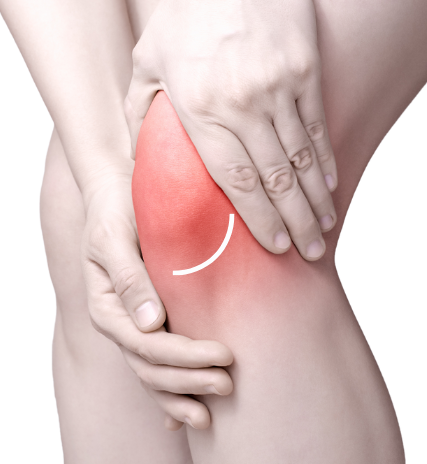
KNEE PAIN

curvy separator line

Knee pain is common in Singapore and can affect people at any age. It may come directly from the knee joint, or from the surrounding muscles, ligaments, and cartilage that support your movement. Some people develop knee pain after an injury, while others notice it building up gradually from wear and tear, inflammation, or arthritis. In some cases, pain felt in the knee may actually be coming from another area, such as the lower back or foot. 

At Singapore Paincare, we focus on understanding why your knee hurts before deciding how to treat it. Our pain specialists provide minimally invasive treatments that target the source of pain, helping you move more comfortably, with minimal downtime and without relying on long-term painkillers or surgery whenever possible. 

Knee Pain

What Are The Types Of Knee Pain?

Knee Pain Caused by Injuries 

Sudden injuries or repeated strain can damage the structures that support your knee, leading to pain, swelling, or instability. 

Damage to the cartilage that cushions the knee joint. This can cause pain, swelling, or a locking sensation, especially during twisting or squatting movements.

Anterior Cruciate Ligament (ACL) Injury

A ligament injury often linked to sudden stops or changes in direction. It may cause swelling, instability, and difficulty bearing weight.

Patellar Tendinitis

Inflammation of the tendon below the kneecap, commonly seen in runners or people who jump frequently. Pain usually worsens with activity.

Knee Bursitis

Irritation of the fluid-filled sacs around the knee, leading to swelling and discomfort when bending or kneeling.

Dislocated Kneecap

Usually caused by trauma or falls, resulting in sudden pain, swelling, and difficulty moving the knee.

Fractures

Breaks in the kneecap or surrounding bones after falls or accidents. People with osteoporosis may sustain fractures even from minor missteps.

Knee Pain Caused by Mechanical Problems

Mechanical issues affect how the knee moves and bears weight, often leading to strain and ongoing discomfort. These include:

Iliotibial Band Syndrome

Tightening of the band along the outer thigh that rubs against the knee. Common in runners and cyclists, it causes pain at the outer side of the knee.

Loose Bodies

Small fragments of bone or cartilage that interfere with smooth movement, sometimes causing catching or locking sensations.

Referred Pain

Pain that originates from the hip, spine, or foot and alters walking patterns, placing extra stress on the knee over time.

Knee Pain Due to Arthritis

Arthritis causes inflammation and gradual joint changes that can make movement stiff and painful. Common types include: 

Wear and tear of knee cartilage over time, often causing stiffness, swelling, and pain that worsens after rest.

An autoimmune condition that leads to persistent inflammation and progressive joint damage.

Gout

Build-up of uric acid crystals in the joint, causing sudden swelling, redness, and intense pain.

Pseudogout

Calcium crystal deposits in the joint that mimic gout symptoms, such as warmth and swelling.

Septic Arthritis

A joint infection that causes severe pain, swelling, and fever and requires urgent medical care.

What Are The Symptoms of Knee Pain?

General Pain Symptoms

Knee pain can feel different from person to person, depending on its cause. Common symptoms include:

  • Swelling or stiffness
  • Clicking or crunching sounds
  • Difficulty straightening or bending the knee
  • Warmth or redness around the joint
  • Weakness or a feeling that the knee may give way
  • Pain when walking, standing, or squatting

Severe Symptoms Requiring Medical Attention

Seek prompt assessment from a knee pain specialist in Singapore if you experience:

  • You can’t bear weight on your knee or feel as if your knee is unstable (gives out)
  • Have marked knee swelling
  • Cannot fully extend or flex your knee
  • Have affected sleep due to painful knee
  • Notice an obvious deformity in your leg or knee
  • Experience a fever, in addition to redness, pain and swelling in your knee
  • Experience severe knee pain that is associated with an injury

What Are The Symptoms of Knee Pain?

Conservative Treatments

In most cases, mild to moderate knee pain responds well to non-surgical approaches such as: 

  • Home Remedies and Self-Care: Rest and ice help reduce swelling, while compression and gentle elevation minimise fluid build-up. Warm compresses may also relieve stiffness and improve comfort.
  • Physical Therapy: Physiotherapists use targeted exercises and manual techniques to improve joint movement, strengthen supporting muscles, and reduce soft tissue tension.
  • Medications and Supplements: Topical creams, over-the-counter pain relievers, and supplements such as glucosamine or chondroitin may help ease discomfort.
  • Acupuncture: Used to relieve muscle-related knee pain by stimulating specific points that support recovery.
  • Knee Braces and Supports: Help redistribute load away from painful areas and provide stability, especially in osteoarthritis. Help redistribute load away from painful areas and provide stability, especially in osteoarthritis.

Minimally Invasive Procedures

For persistent or more severe knee pain, targeted procedures can address the exact pain source while avoiding open surgery. At Singapore Paincare, we offer a range of minimally invasive treatments that relieve pain at its origin.

Coreflex Injections

A specialised injection that delivers anti-inflammatory medication into the knee to reduce swelling and stiffness.

Hyaluronic Acid Injections

A lubricating treatment that improves joint movement. Pain relief may last from several months to a few years, depending on the individual and the severity of arthritis.

Platelet-Rich Plasma (PRP) Injection

A regenerative treatment that uses the body’s own growth factors to support natural healing in injured muscles or tendons.

Surgical Procedures

In advanced cases where conservative and minimally invasive treatments are no longer sufficient, surgery may be needed to restore knee function and relieve pain. Options include:

  • Arthroscopy: A keyhole procedure used to remove loose bodies, trim damaged cartilage, or reconstruct torn ligaments.
  • Partial Knee Replacement: Replaces only the damaged portion of the joint, allowing quicker recovery than total replacement.
  • Total Knee Replacement: Used for severe osteoarthritis when cartilage has worn away extensively.

How Singapore Paincare Treats Knee Pain? 

At Singapore Paincare, we use our Painostic® approach to understand the real cause of your knee pain — not just where it hurts, but why it persists. Through careful assessment and movement analysis, our specialists design a personalised treatment plan tailored to your knee pain condition, lifestyle, and goals. 

We prioritise the least invasive options first, combining precise procedures with rehabilitation support to restore comfort, mobility, and confidence while reducing the risk of recurrence. 

Preventing Knee Pain

While some causes can’t be avoided, you can reduce your risk through:

  • Maintaining a healthy BMI: Prevents excess strain on knee joints.
  • Strength and flexibility training: Build strong quadriceps and hamstrings.
  • Proper sports conditioning: Warm up, stretch, and use correct form during workouts.
  • Low-impact exercises: Swimming, cycling, and brisk walking are joint-friendly.

Frequently Asked Questions 

Knee pain may be serious if it does not improve with rest, becomes worse over time, or affects your ability to walk or bear weight. Warning signs include significant swelling, difficulty bending or straightening the knee, visible deformity, fever with joint redness, or pain that begins after an injury. If your knee gives way or feels unstable, or if the pain disrupts sleep or daily activities, it is advisable to see a knee pain specialist for medical assessment. 

No. Lower back pain can come from muscles, joints, nerves, degeneration, or inflammation. Accurate diagnosis is essential.

If your knee pain persists beyond a few days, causes swelling, or limits movement, it’s best to consult a knee pain specialist for diagnosis and early management. 

PRP injection knee therapy can significantly reduce pain and promote cartilage healing in osteoarthritis or meniscus injuries. Results vary, but many patients experience improvement within weeks.

No. While arthritis is common, knee pain can also stem from ligament tears, tendonitis, bursitis, or referred pain from the hip or back.

Most patients resume normal activities within 1–2 days. Strenuous exercise should be avoided for about a week post-injection. 

A Message About Lower Back Pain from Our Pain Specialist 

Knee pain may not always be serious, but it should not be ignored. Conditions such as osteoarthritis can gradually worsen over time and lead to increased pain, joint damage, and limitations in daily movement. Even minor knee injuries can make you more prone to similar problems in the future. 

Many patients believe knee pain is simply part of ageing or overuse, but this is not always the case. Sometimes muscle weakness, poor movement patterns, or early joint changes contribute to persistent discomfort. Understanding the true cause of your knee pain is important in preventing long-term issues. 

At Singapore Paincare, our Painostic® approach goes beyond symptoms. We pinpoint the exact cause of your knee pain and design an individualized, minimally invasive treatment plan to help you move comfortably and confidently again.