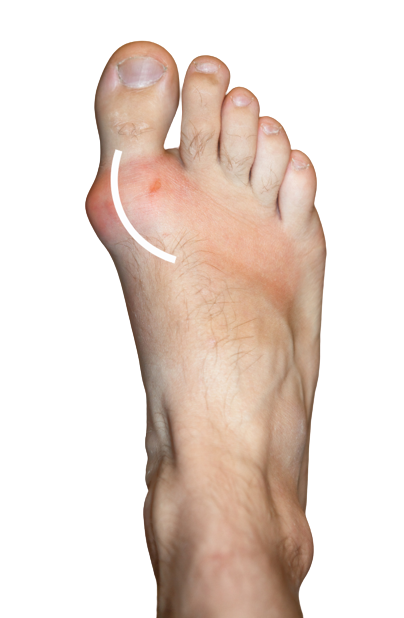
What Causes Gout?
Gout is caused by hyperuricemia, a condition where there is too much uric acid in the body. Uric acid is produced when your body breaks down purines, found in your own cells and certain foods like red meat, seafood, and alcohol.
When uric acid builds up, it can form crystals (monosodium urate) that deposit in your joints, fluids, and tissues, causing pain and inflammation. Not everyone with hyperuricemia develops gout, and if there are no symptoms, treatment may not be necessary.
Risk factors for gout include:
Male Gender
Men are more likely to develop gout than women.
Older age
Risk increases as you age.
High blood pressure
Hypertension can affect kidney function and uric acid levels.
Obesity
Excess body weight increases uric acid production and joint stress.
Heart disease
Cardiovascular conditions are linked to higher gout risk.
What are the Symptoms of Gout?
Gout attacks present as sudden, severe symptoms that typically occur in the joints.
- Pain: Often occurs at the base of the big toe and is usually worst in the first 12 to 24 hours. These attacks are short, but they can return over weeks, months or years in sporadic cycles.
- Inflammation and redness: The affected joint becomes swollen, red, and warm.
- Limited range of motion: Swelling and pain restrict joint movement and weight-bearing.
What Are the Options for Gout Treatment in Singapore?
Conservative Treatments
If your gout is mild or moderate, treatment often begins with non-surgical management.
Minimally Invasive Procedures
If your symptoms do not improve or continue to interfere with movement, minimally invasive options may be recommended without the need for open surgery. At Singapore Paincare, we offer precise procedures designed to relieve pain at its origin.
Surgical Treatments
Generally, surgery may be recommended if your joints are severely damaged and intense pain that does not cause improve with other treatments. Available surgical options include:
How Singapore Paincare Treats Gout?
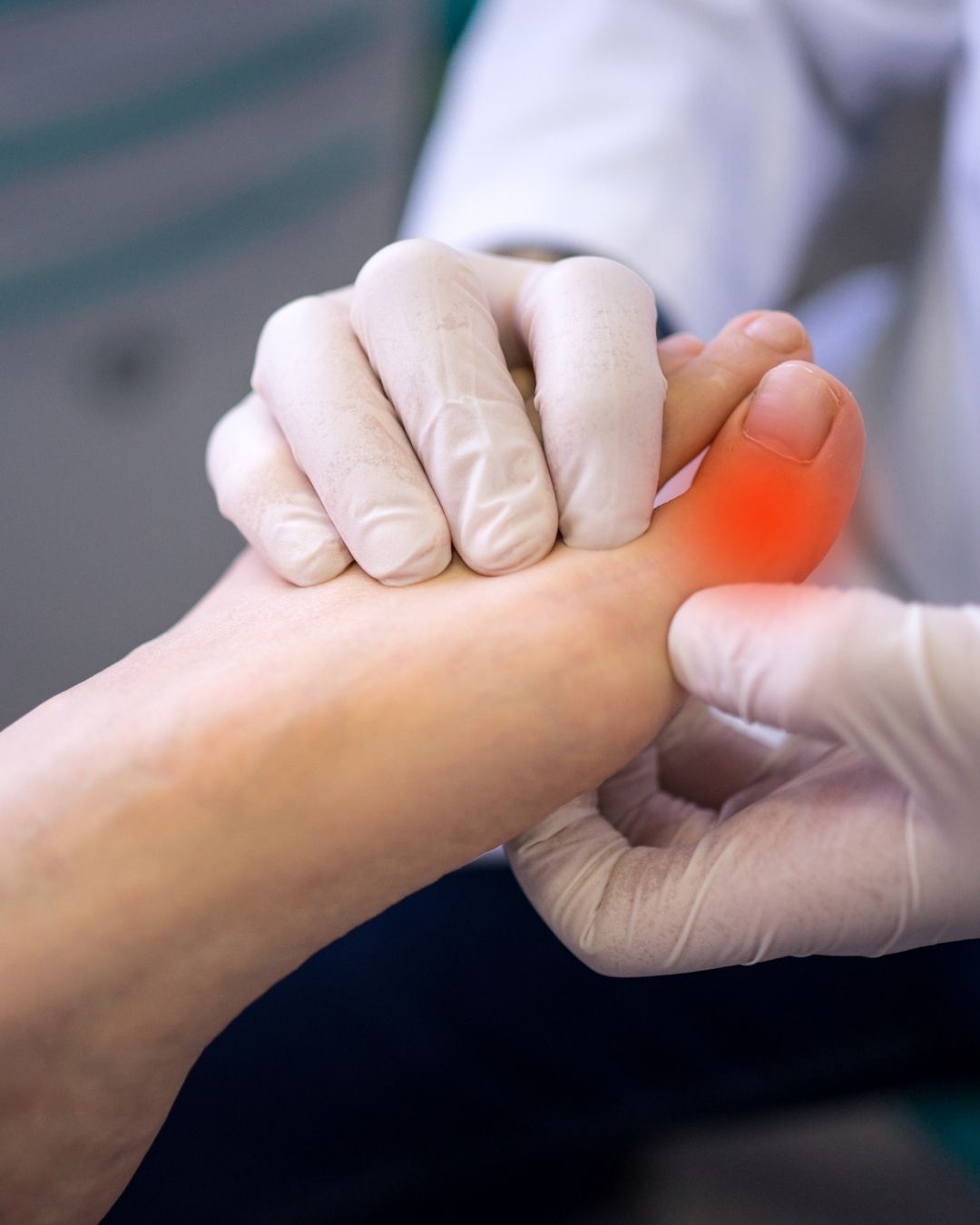
At Singapore Paincare, our specialists use the proprietary Painostic® method, developed from years of clinical experience in managing inflammatory joint conditions such as gout. This in-house approach goes beyond standard assessment to identify whether your pain is caused by active uric acid crystal inflammation, chronic gouty arthritis, or overlapping joint conditions. By accurately pinpointing the source and severity of your gout, we map out a personalised treatment pathway tailored specifically to your condition and flare pattern.
We focus on the least invasive options first, including targeted intra-articular injections to rapidly reduce joint inflammation during acute flares, combined with appropriate urate-lowering medications and rehabilitative support where needed. For patients with recurrent attacks, we emphasise long-term uric acid control strategies to prevent joint damage and future flare-ups. Even in complex or persistent cases, this integrated approach helps relieve pain, restore joint mobility, reduce recurrence risk, and enable you to walk, work and sleep comfortably without fear of sudden gout attacks.
How to Prevent Gout?
You can lower your risk of gout flares with simple lifestyle changes:
- Drink plenty of water to support kidney function
- Exercise regularly to maintain a healthy weight
- Limit high-purine foods such as red meat, organ meat, and seafood
- Reduce alcohol intake, especially beer and hard liquor
Frequently Asked Questions
A Message About Gout from Our Pain Specialist
When a joint suddenly becomes red, swollen, and intensely painful, it’s natural to assume it’s gout. But not every painful flare is caused by gout. Other conditions, such as rheumatoid arthritis or wear-and-tear arthritis, can look very similar in the early stages. That’s why getting the right diagnosis matters. A careful assessment by a doctor experienced in treating gout, such as a Pain Specialist or Rheumatologist, helps you understand the true cause of your symptoms and start the right treatment early.
While there is no permanent cure for gout, the condition can be well controlled. With the right medication and practical lifestyle adjustments, many people achieve long periods without painful flares. The foundation of gout management is healthy daily habits — choosing a balanced diet, limiting foods high in purines such as red meat, organ meats, and certain seafood, and reducing alcohol intake, especially beer and hard liquor. Staying active, maintaining a healthy body weight, and protecting affected joints all support better control. With consistent care, it is possible to reduce flare-ups, protect your joints, and regain confidence in your daily movement.