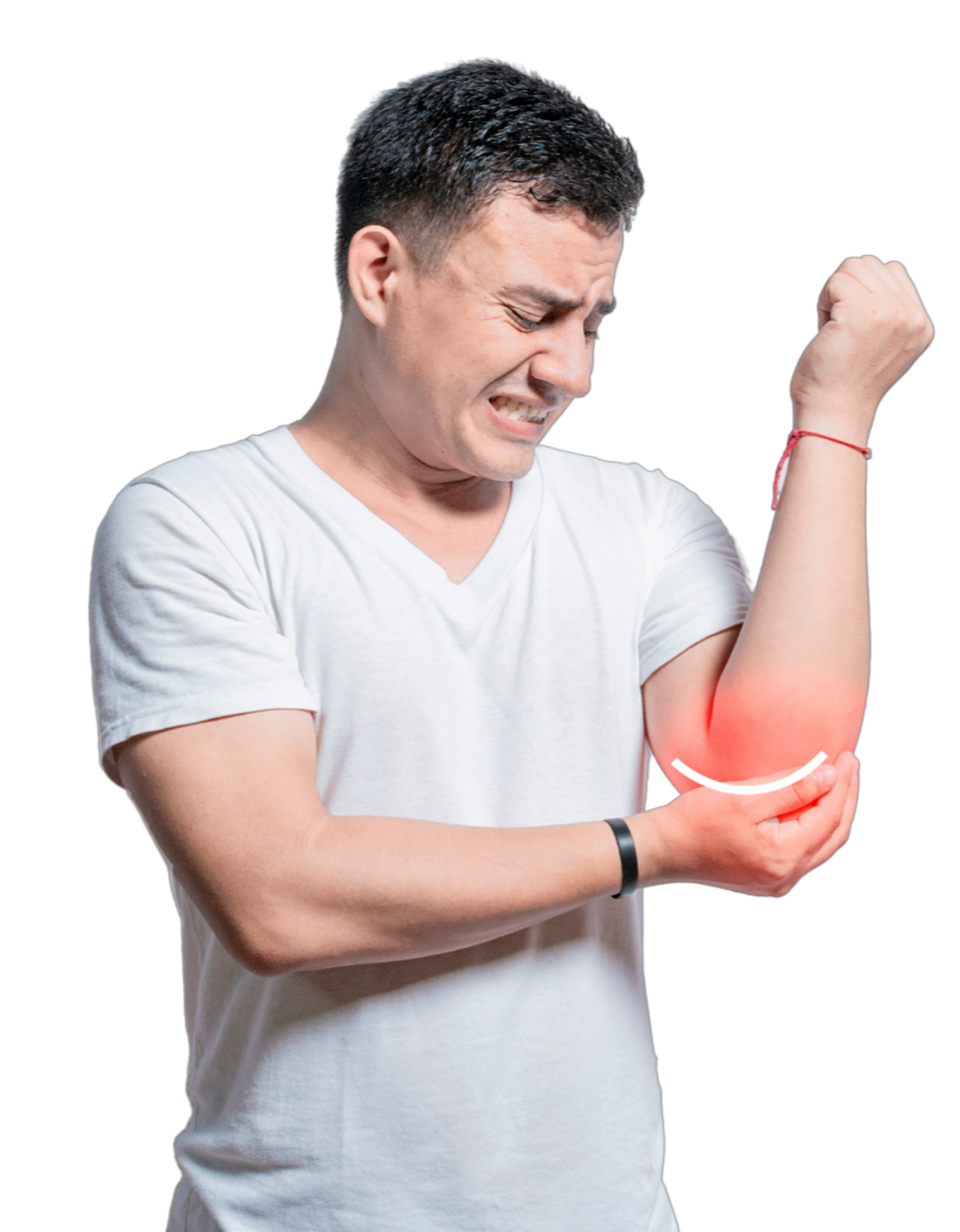
What Causes Tennis Elbow & Golfer Elbow?
Tennis elbow and golfer elbow are usually caused by repetitive strain on the tendons of the forearm, which leads to microscopic tears and inflammation over time. When these injuries accumulate without proper recovery, they can develop into chronic tendon pain or even partial tendon tears. Common triggers include:
Repetitive Household Activities
Daily activities such as wringing clothes, mopping the floor, wiping walls, or carrying buckets of water can repeatedly strain the elbow tendons. Over time, this repetitive stress may lead to micro-tears and inflammation that trigger persistent elbow pain.
Gardening
Tasks like trimming plants and digging soil require repetitive wrist and forearm movements. These actions place constant tension on the tendons attached to the elbow, which can contribute to tendon irritation.
Sports Activities
Sports such as tennis, squash, and javelin involve repeated gripping and arm rotation. These movements generate repetitive loading on the forearm muscles and tendons, increasing the risk of epicondylitis.
Manual Work
Occupations involving plumbing, bricklaying, carpentry, or lifting heavy tools often require sustained gripping and twisting movements. Over time, this mechanical stress may cause inflammation or damage to the elbow tendons.
Prolonged Computer or Musical Activities
Typing on keyboards, prolonged mouse usage, or playing instruments like the piano can lead to repetitive strain of the forearm muscles and tendons, increasing the likelihood of developing elbow pain.
Hormonal Changes in Women
Women undergoing menopause may face a higher risk. As estrogen levels decline, tendons and muscles can lose flexibility and elasticity, leading to increased tension on the tendon attachments around the elbow.
What Are the Symptoms of Tennis Elbow & Golfer Elbow?
What Are the Treatment Options for Tennis Elbow & Golfer Elbow?
Most cases of tennis elbow and golfer elbow can be treated without surgery. The goal of treatment is to reduce inflammation, promote healing of the tendon, and restore normal arm function.
Conservative Treatments
If your elbow pain is mild or recent, you may benefit from conservative treatments for tennis elbow and golfer's elbow, including:
- Physical Therapy: Physiotherapy programmes typically involve targeted stretching and resistance exercises designed to strengthen the forearm muscles. These exercises improve joint mobility and help restore the tendon’s ability to tolerate daily activities. Over time, progressive rehabilitation can improve circulation around the injured tendon and support natural healing.
- Braces and Splints: Elbow braces or splints may be used to support the affected tendon and reduce strain during movement. By stabilising the elbow joint, they can help relieve pain and allow the tendon to recover.
- Non-Steroidal Anti-Inflammatory Drugs (NSAIDs): NSAIDs help reduce inflammation and provide pain relief. These medications may be used in the early stages to manage symptoms while the tendon begins to heal.
Minimally Invasive Procedures
If your symptoms do not improve or continue to interfere with movement, minimally invasive treatments can target the real source of pain without the need for open surgery. At Singapore Paincare, we offer precise procedures designed to relieve pain at its origin.
Surgical Treatment
Generally, surgery may be recommended if your tendons are severely damaged and causing ongoing intense pain that does not improve with other treatments.
- Elbow Arthroscopy: This procedure uses small incisions to insert an arthroscope (tiny camera) into the elbow. The surgeon directly visualizes, cleans, and removes damaged tissue (debridement) from the injured area. If needed, torn tendon segments may be sutured or repaired to restore function.
How to Prevent Tennis Elbow & Golfer Elbow?
While golfer's elbow and tennis elbow are not completely preventable, you can follow these practices to reduce your risk and prevent worsening:
- Take regular breaks to rest your arm and avoid prolonged repetitive strain, especially during activities like typing, gardening, or household chores
- Use a brace or splint as advised for additional mechanical support, particularly during activities that might aggravate the pain
- Warm up before engaging in any sport or physical activity to prepare your tendons and muscles for strain and reduce injury risk
- Engage in regular exercise to allow for progressive strengthening and loading of the elbow, which encourages blood circulation and helps recovery from micro-tears
- Maintain proper ergonomics at your workstation—adjust your desk height, keyboard position, and mouse placement to minimize repetitive strain on your elbows and wrists
Frequently Asked Questions
A Message About Golfer's Elbow/ Tennis Elbow from Our Pain Specialist
Elbow pain can interfere with many everyday activities, and in some cases even disturb sleep. Often, this discomfort develops without a clear injury to the elbow. Menopausal women may be more prone to conditions such as golfer’s elbow or tennis elbow. The pain usually arises from inflammation caused by small tears and swelling in the muscles and tendons that support the elbow.
The first step toward relief is to reduce the strain on the elbow by stopping repetitive movements and allowing the joint to rest. Anti-inflammatory medication may also help ease the pain and swelling. However, rest should be temporary. Prolonged immobilisation or splinting beyond two weeks may lead to stiffness in the elbow joint and slow recovery.
A gradual return to movement is an important part of healing. Progressive rehabilitation helps restore circulation to the area, allowing the injured tissues and small tendon tears to recover. As mobility improves, patients can begin to regain comfort and confidence in using the elbow for daily activities again.