
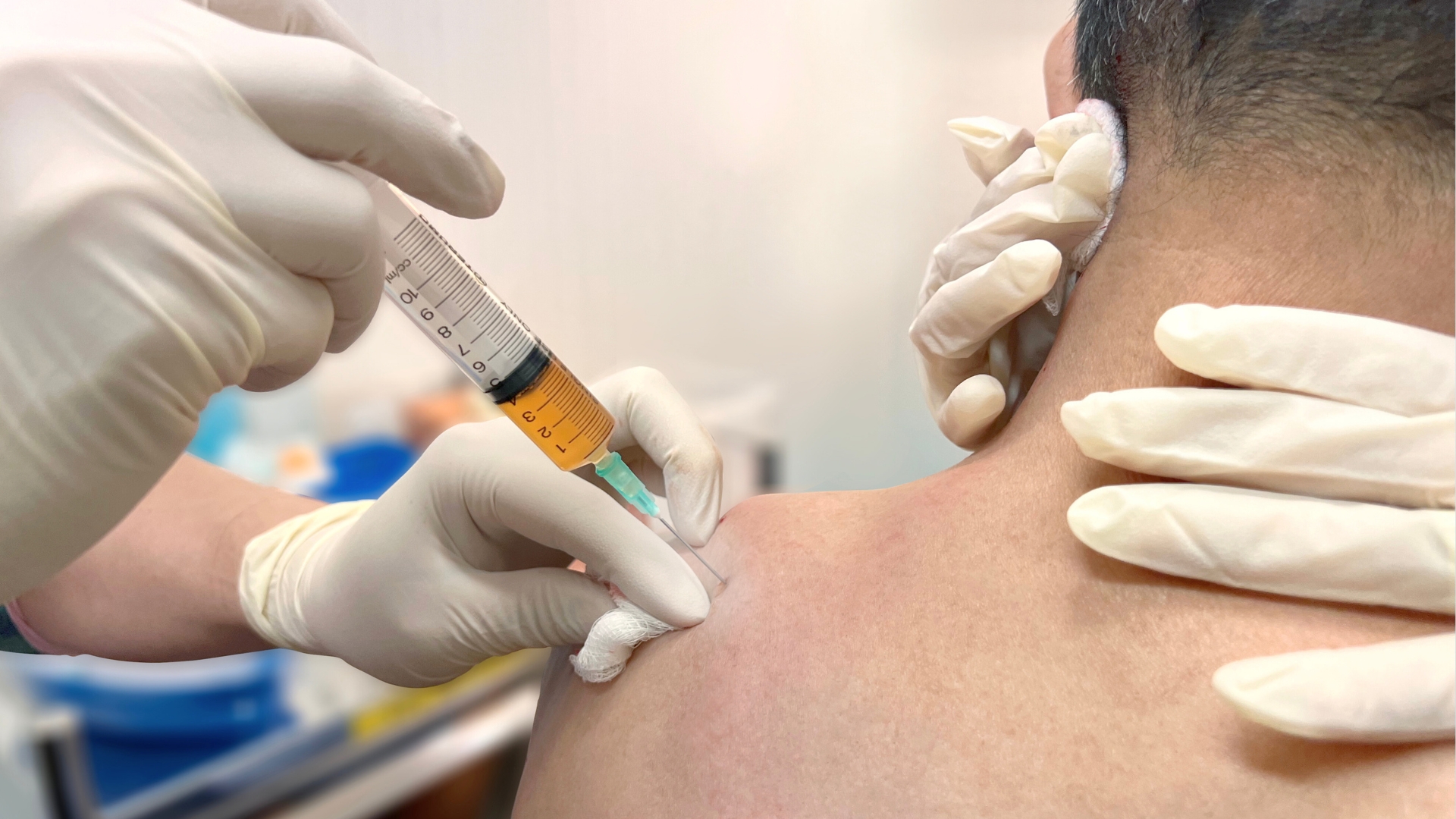
Understanding Frozen Shoulder Injections: How They Help You Move With Comfort Again
December 26, 2025
When your shoulder feels heavy, tight, or painful especially at night, it can slowly take over your day. Reaching for a shelf, getting dressed, or turning your arm can start to feel like a strain. Many patients describe a sense of frustration, wondering why a simple movement now feels difficult or locked.
Frozen shoulder can make daily life feel smaller. But with the right guidance and the right treatment at the right stage, relief and comfortable movement are possible.
This article walks you through the injection options used for frozen shoulder and more importantly, how each one supports you in regaining ease, mobility, and confidence in your shoulder again.
Why Frozen Shoulder Happens and How Injections Support Recovery
Frozen shoulder develops when the capsule surrounding your shoulder joint becomes inflamed and gradually tightens. As this tissue thickens, movement becomes restricted and even small motions may feel sharp or deeply achy.
The condition usually moves through frozen shoulder stages
- Frozen Stage – inflammation is active; night pain and aching are common.
- Frozen Stage – stiffness peaks; movement becomes limited.
- Thawing Stage – mobility slowly returns.
Injections are not meant to replace movement, they help you move better. By reducing inflammation, calming irritated nerves, or releasing tight structures, injections create the comfort you need to stretch and rehabilitate your shoulder safely.
For many adults, especially those between 40 and 70 or with diabetes, early, targeted intervention can prevent months of avoidable stiffness.
How Painostic® Helps Identify the Right Injection for You
At Singapore Paincare, treatment begins with the Painostic® approach, a structured method that looks deeper than scans alone. It examines:
- where your pain starts
- how it behaves
- which movements are restricted
- whether symptoms come from joint tissue, soft tissue, or nerves
This clarity matters. When your specialist knows exactly what is driving your discomfort, they can match the right injection to the right structure. This avoids unnecessary procedures and ensures each treatment actively supports your comfort, mobility, and healing.
Painostic® also helps identify when nerve sensitisation is part of the problem, important information if nerve-focused injections or Neurospan therapies are needed.
Frozen Shoulder Injection Options
Below is a clear, patient-centred breakdown of the commonly used injection options, including those specific to Singapore Paincare.
Intra-Articular Shoulder Injection
Best for: Early painful phase
When inflammation inside the shoulder joint is active, movements can trigger sharp, deep aching pain especially at night. This injection delivers medication directly into the joint to calm inflammation, helping you rest better and move with less hesitation.
Ultrasound guidance keeps the placement precise, allowing you to begin gentle stretching with greater comfort.
Coreflex Injections
Best for: Muscle guarding or tension adding to shoulder pain
Many people with frozen shoulder unconsciously tighten the surrounding muscles to protect the painful joint. Over time, this adds more stiffness and discomfort.
Coreflex injections help by:
- relaxing tight muscles
- calming irritated soft tissue
- easing the “gripping” sensation around the joint
This creates a smoother base for rehabilitation.
Platelet-Rich Plasma Prolotherapy (PRP Prolotherapy)
Best for: Chronic soft tissue irritation or slow recovery
PRP uses your own blood’s growth factors to support healing in ligaments and tendons. It’s helpful when stiffness or irritation persists despite earlier treatments, or when a regenerative option is preferred. PRP is usually part of a broader plan—not the first step.
Peripheral Nerve Block
Best for: Nerve-related pain or persistent sharp, burning sensations
When sensitive nerves continue to send amplified pain signals, mobility becomes difficult even if the joint itself is improving. A peripheral nerve block calms these nerves, reducing radiating or burning pain and allowing more confident movement.
When Standard Injections Are Not Enough: Neurospan for Frozen Shoulder
Most people with frozen shoulder improve once inflammation settles and the tight capsule begins to loosen. But for a small group of patients, pain continues even after the joint and soft tissues have been treated. When this happens, it often means the nerves around the shoulder have become overly sensitive, sending stronger pain signals than they should.
This is where Neurospan therapies can help. They are designed for patients whose frozen shoulder pain is driven by nerve irritation rather than joint stiffness alone.
Pulsed Radiofrequency (PRF) for Frozen Shoulder
Pulsed Radiofrequency is a gentle, non-destructive technique used to calm nerves that have become hyperactive during the course of frozen shoulder.
For some individuals:
- the surrounding nerves stay irritated long after the initial inflammation
- pain feels sharp, electric, or persistent even as movement improves
- everyday activities continue to trigger discomfort despite earlier injections
PRF delivers controlled electrical pulses to these sensitive nerves, helping to:
- reduce nerve irritability
- ease lingering sharp or radiating pain
- restore comfort so movement feels safer and more natural
Because PRF does not destroy nerve tissue, it suits patients who need relief without compromising normal nerve function.
Why Rehabilitation Matters
Injections create comfort; rehabilitation builds strength and confidence.
As pain settles, physiotherapy helps you:
- restore flexibility
- strengthen supporting muscles
- improve shoulder blade control
- prevent the return of stiffness
This combined approach supports a fuller, steadier recovery.
Book a Consultation with Singapore Paincare
If frozen shoulder is affecting your daily life, Singapore Paincare offers a full range of minimally invasive treatments to help you move with confidence again. Our pain specialists provide tailored care that includes intra-articular injections, Coreflex injections, PRP Prolotherapy, peripheral nerve blocks and RFA when needed.
Book a consultation today to receive a Painostic® guided assessment and a personalised shoulder pain treatment plan for safe and effective shoulder recovery.
Frequently Asked Questions About Frozen Shoulder Injections
Do injections cure frozen shoulder?
Injections help reduce pain and stiffness linked to frozen shoulder, but the condition still improves gradually over time. They make the recovery journey smoother by easing discomfort so movement becomes less restricted.
How soon will I feel relief from frozen shoulder injections?
Relief depends on the injection type and the stage of frozen shoulder. Some injections ease pain within days, while others help improve movement progressively as inflammation settles.
Are frozen shoulder injections safe for people with diabetes?
Most frozen shoulder injections are safe for diabetic patients. Steroid based injections may temporarily affect blood sugar, and your specialist will guide you on monitoring and adjustment if needed.
Will I need more than one frozen shoulder injection?
Some patients improve with a single injection. Others may need a combination to address different contributors to frozen shoulder such as joint inflammation, muscle tension or nerve sensitisation. The Painostic® approach helps determine exactly what you need.
What if my frozen shoulder does not improve after the injection?
If your frozen shoulder symptoms persist, your specialist may recommend another injection type, a nerve focused treatment such as Neurospan or targeted rehabilitation depending on your Painostic® findings.
Can I work or drive after a frozen shoulder injection?
Most patients can return to daily activities soon after a frozen shoulder injection. Your specialist will advise you if any temporary movement precautions are needed.