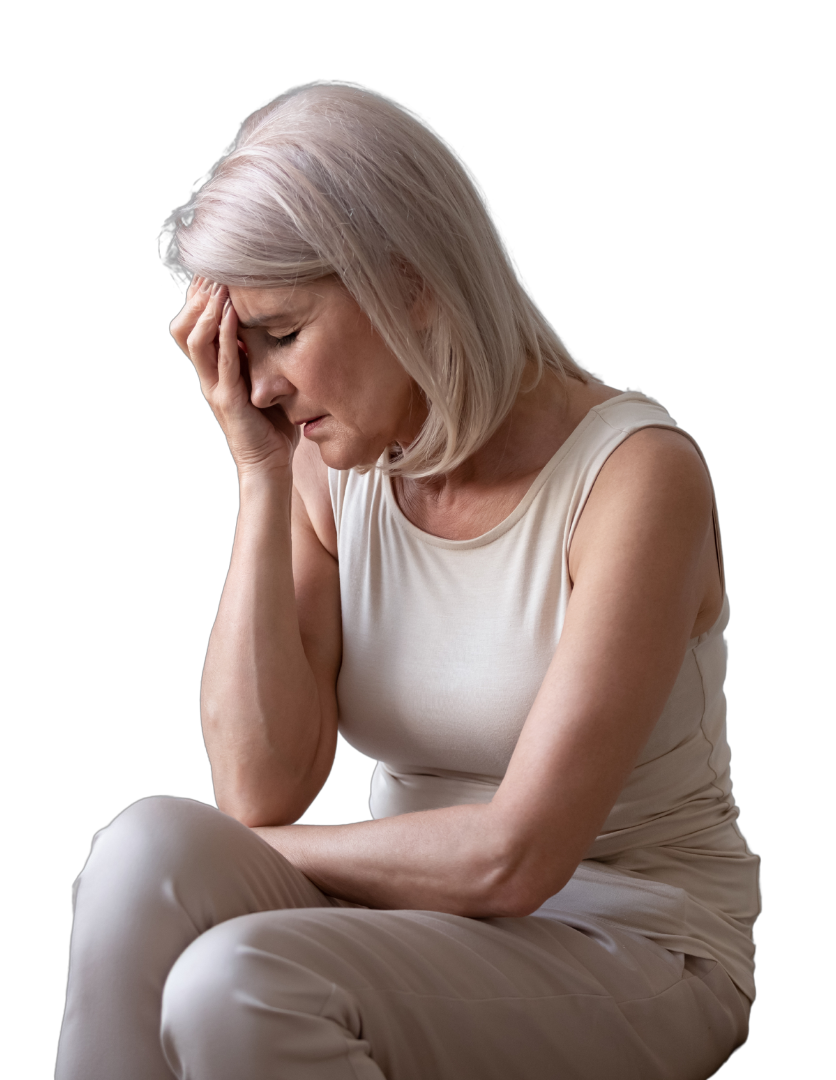
What is Menopausal Pain?
As women enter the peri-menopausal period, the chances of developing other pain syndromes such as fibromyalgia, back pain or migraine tend to increase. This is known as Menopausal Pain Syndrome. Beyond physical pain, menopause can also bring emotional changes such as low mood and cognitive difficulties such as forgetfulness and reduced memory.
What Causes Menopausal Pain?
Menopausal pain is thought to be caused by hormonal changes. Estrogen and other female hormones interact closely with the body’s pain sensitivity. As hormone levels shift, this can lead to chronic pain or the sudden onset of symptoms that were not present before. Nerves become more sensitive, so pain can be felt even without an injury or underlying disease. This nerve sensitisation can also cause surrounding muscles to tighten and spasm, leading to muscle pain (myalgia), body aches, tendinitis and ligament instability. As oestrogen levels decline, this affects joint lubrication and muscle function, contributing to what is increasingly referred to as the musculoskeletal syndrome of menopause [1].
What Are the Symptoms of Menopausal Pain?
Menopausal pain is common among women in Singapore. A 2025 study by KK Women’s and Children’s Hospital (KKH), which followed over 1,400 local women aged 45 to 65, found that 7 in 10 experienced moderate to severe menopausal symptoms, and joint and muscle aches were among the top five most reported [2]. A separate 2023 Singapore study also found that new-onset muscle and joint aches were the most commonly cited perimenopause symptom among local women, ranking ahead of hot flushes [2].
How Is Menopausal Pain Diagnosed?
At Singapore Paincare, our team of primary care and specialist pain doctors carries out a thorough diagnosis. This includes a physical examination, a review of your symptoms, and an evaluation of your medical history. A CT or MRI scan may also be used to help confirm the cause of pain and match the findings to what you are experiencing.
What Are the Treatment Options for Menopausal Pain?
In many cases, non-surgical treatment can provide good outcomes. At Singapore Paincare, we aim to treat pain using the least invasive option possible once the cause has been accurately identified. Our approach focuses on addressing pain generators through specialised injections and minimally invasive procedures, alongside pharmacological treatment and rehabilitative therapy, to help patients regain function and reduce the chances of pain returning.
Is There a Surgical Treatment for Menopausal Pain?
There is currently no surgical treatment for menopausal pain.
How Can You Reduce the Impact of Menopausal Pain?
Most women will experience some form of menopausal pain, but the following habits may help ease symptoms:
- Eat a balanced diet and reduce spicy food and caffeine intake
- Exercise regularly. A certain threshold of activity is needed before benefits are felt
- Quit smoking
- Avoid known triggers of hot flushes
- Consider joining a support group of women going through menopause
A Message About Menopausal Pain From Our Pain Specialist
Menopausal Pain Syndrome is not always easy to identify. Many painful conditions are linked to injury or degenerative wear and tear, and doctors often look for a single structural cause to explain and treat pain. But pain in a menopausal woman may come from a degenerative spine or knee condition, or it may come from Menopausal Pain Syndrome instead.
Telling these apart takes an experienced practitioner, because the right treatment for each is very different. Degenerative conditions may call for activity modification or even surgery to remove the source of pain. Menopausal Pain Syndrome, on the other hand, is managed by targeting the muscles and sensitised nerves involved. An inaccurate diagnosis can leave a patient dealing with ongoing pain and distress.
Frequently Asked Questions
References
- Sugianto, S. (2025). Navigating Perimenopause and Menopause. SMA News, Singapore Medical Association. Available at: sma.org.sg/news/2025/May/Navigating-Perimenopause-and-Menopause
- Puvanendran, R. (2026). Perimenopause: When Does It Start, Early Signs and How to Manage. HealthXchange.sg, SingHealth, citing a 2025 KK Women’s and Children’s Hospital (KKH) study of 1,461 women aged 45 to 65, and a 2023 Singapore perimenopause symptom study. Available at: healthxchange.sg/how-to-manage/menopause/perimenopause-how-to-manage-symptoms
Updated July 2026