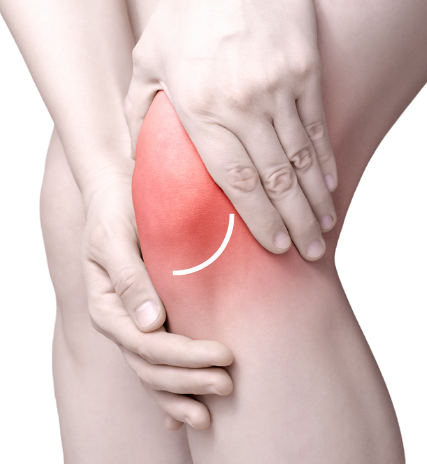
What Causes Knee Osteoarthritis?
Knee osteoarthritis develops when the knee’s natural cushioning system becomes less effective over time.
The smooth joint surfaces and lubricating joint fluid that normally allow pain-free movement gradually lose their shock-absorbing ability. As a result, the bones experience more friction. This leads to inflammation, swelling, stiffness, and pain—especially during movement.
Without timely knee pain treatment, ongoing inflammation can progressively reduce mobility, alter walking patterns, and increase strain on surrounding muscles and joints, potentially worsening knee pain and function over time.
Common Risk Factors
- Age: Natural wear and tear increases with age, but knee osteoarthritis is not limited to older adults.
- Sex: Hormonal and anatomical differences may influence joint health.
- Body Weight: Extra weight places added stress on the knee joint, accelerating joint strain and inflammation.
- Previous Knee Injuries: Past sports injuries, accidents, or work-related strain can affect joint mechanics years later.
- Bone or Joint Alignment: Uneven load distribution in the knee may speed up joint degeneration.
- Family History: Genetic factors can influence cartilage strength and joint resilience.
What Are the Symptoms of Knee Osteoarthritis?
Knee Pain and Swelling
Pain may be felt at the front, sides, or throughout the knee. It often worsens after activity and eases with rest. Ongoing swelling suggests active inflammation.
Stiffness
You may notice stiffness when getting out of bed, standing up after sitting, climbing stairs, or bending your knee.
Swelling and Tenderness
Inflammation can cause visible swelling, warmth, or sensitivity around the knee.
Instability or Locking
Some people feel the knee “giving way” or temporarily locking, which can affect balance and confidence when walking.
When Should I Seek Medical Attention?
Consult a medical professional if you experience:
- Pain in the knee area that significantly restricts your work or leisure activities
- Knee deformation or noticeable changes in leg alignment
- Difficulty walking, accompanied by feelings of instability or the knee giving way
- Restriction of daily movements, such as inability to wear trousers or difficulty getting out of a car
- Persistent, unbalanced, or restricted knee movements
- Swelling or warmth in the affected area
- Pain occurs only during activity and is absent at rest.
Early assessment by a knee pain specialist allows treatment to begin before pain and movement limitations worsen.
What Are the Treatment Options for Knee Osteoarthritis?
Conservative Treatment
If your knee discomfort is mild or in its early stages, you will benefit from conservative treatments, including:
- Physical Therapy: A structured programme combining aerobic and resistance exercises helps reduce pain, improve strength, and support the knee joint.
- Pain Medications: Non-steroidal anti-inflammatory drugs and anaesthetics can also be injected around the knee ligaments for pain relief.
- Knee brace: Knee braces may be used temporarily to restrict knee movement and provide support, effectively reducing pain and irritation of the inflamed muscles.
Minimally Invasive Procedures
If your knee osteoarthritis symptoms have been persistent or more severe, minimally invasive treatments can address the real source without the need for open surgery. At Singapore Paincare, we offer precise procedures designed to relieve pain at its origin.
Surgical Treatment
Generally, surgery may be recommended if your pain is long-lasting and does not improve with other treatments.
- Knee Replacement Surgery: Recommended in cases of advanced arthritis with severe structural deformity (e.g., significant leg bending) and irreversible cartilage loss. This procedure carries associated risks and downtime. The current clinical standard is to delay knee replacement as long as possible (ideally until age 65 and above) to maximise the service life of the implant and avoid the need for repeat surgery.
How Can I Prevent Knee Osteoarthritis?
Osteoarthritis cannot be fully prevented. However, you can significantly help lessen daily stress on your joints by doing the following:
- Keeping a healthy body weight: Maintaining an optimal weight minimizes the load and mechanical stress placed on the knee joints during movement.
- Monitoring and controlling your blood sugar: Managing conditions like diabetes is essential, as high blood sugar levels can accelerate cartilage deterioration.
- Staying active: Regular engagement in low-impact activities strengthens the muscles supporting the knee, providing crucial active support.
- Addressing pain immediately: Prompt medical assessment of knee pain prevents minor irritations from evolving into chronic, debilitating joint conditions.
A Message About Knee Osteoarthritis from Our Pain Specialist
Knee osteoarthritis is often misunderstood as simply “wear and tear.” In reality, active inflammation in the knee is a major cause of pain and movement limitation. By treating inflammation early and strengthening the muscles that support the knee, it is possible to reduce pain flares, slow further wear, and maintain mobility.
With the right treatment approach, many patients in Singapore continue to walk, stay active, and live independently despite knee osteoarthritis.
At Singapore Paincare, our Painostic® approach goes beyond relieving symptoms alone. We identify the real source of your knee pain and create a personalised, minimally invasive treatment plan so you can move more comfortably and regain confidence in your knee.
Frequently Asked Questions
Updated 5 Aug 2026