What Causes a Knee Meniscus Tear?
A meniscus tear occurs when the cartilage is stressed beyond what it can tolerate. This may happen suddenly or slowly over time.
Sports-related injuries
Quick turns, sudden pivots, or direct impact during activities such as football, basketball, or tennis can strain the knee and cause an acute tear. These injuries are commonly seen among active individuals in Singapore.
Age-related wear and tear
As we age, the meniscus becomes less flexible. Everyday actions like squatting, kneeling, or climbing stairs may gradually weaken it, leading to a tear even without a clear injury.
Previous knee injuries
Earlier knee trauma can leave the joint less stable, increasing the chance of a meniscus tear later on.
Risk is higher with contact sports, poor landing techniques, or inadequate knee support during physical activity.
What Are the Symptoms of Knee Meniscus Tear?
Knee meniscus tear symptoms can range from mild discomfort to severe, daily limitations. If your pain persists, worsens, or restricts your ability to perform simple actions, it's best to have it assessed by a knee pain specialist.
- Knee Pain: Often felt as a sharp, debilitating pain that may be one-sided. It worsens with additional pressure or weight-bearing.
- Stiffness: Joint stiffness that can impede daily functions, making tasks like walking, bending, climbing stairs, or getting out of a car difficult.
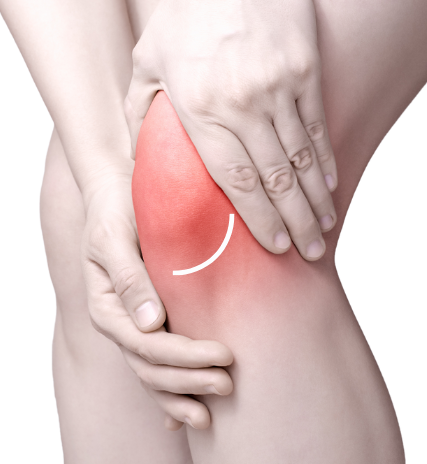
- Swelling and Tenderness: The affected region may experience marked swelling and become tender to the touch.
- Instability or Locking: The knee may feel unstable, as though it is "giving out", or it may occasionally lock in a fixed position, restricting movement.
What Are the Options for Knee Meniscus Tears Treatment in Singapore?
Conservative Treatments
If your knee meniscus tear is mild (such as a small, stable tear), you will benefit from conservative treatments, including:
- Physical therapy: A guided rehabilitation programme helps reduce pain, strengthen the knee, and restore movement. Exercises are tailored to your condition and comfort level.
- Non-Steroidal Anti-Inflammatory Drugs (NSAIDs): Medication may be used short-term to ease pain and swelling, allowing you to move more comfortably during recovery.
- Knee Brace: A brace can provide support, limit excessive movement, and reduce strain on the injured meniscus during daily activities.
Minimally Invasive Procedures
If your knee discomfort has been persistent or more severe—especially for tears that have not responded to initial rest and medication—minimally invasive treatments can address the exact source without the need for open surgery. At Singapore Paincare, we offer precise procedures designed to ease your symptoms at their root and help you move comfortably again.
Surgical Treatment
Generally, surgery is typically reserved for severe injuries, such as a complete tear, or when non-surgical treatments have failed to resolve symptoms after several months.
- Arthroscopy : A key-hole procedure that repairs and treats knee meniscus tears. It involves making a small incision in the knee to insert a micro camera and surgical devices.
How to Prevent Knee Meniscus Tear?
While not all injuries can be prevented, you can lower your risk by:
- Using a knee brace when your knee is weak or unstable
- Wearing proper athletic shoes
- Strengthen the muscle that supports and stabilizes your knee
A Message About Knee Meniscus Tear from Our Pain Specialist
Knee pain from a knee meniscus tear can be sharp and limiting, making it difficult to stand, walk, or put weight on the leg. While some tears occur after injury, others develop gradually due to age-related changes—even without a clear cause.
Once the meniscus is torn, it does not easily heal or grow back. Surgery, when needed, usually involves trimming the damaged portion rather than fully repairing it. In many cases, non-surgical treatments can still provide meaningful relief.
For severe tears in an advanced, worn knee, knee replacement may be considered as a last option.
At Singapore Paincare, our Painostic® method goes beyond treating symptoms. We identify the real source of discomfort and build an individualised, minimally invasive plan — so you can move comfortably and confidently again.
Frequently Asked Questions
Updated 5 Aug 2026