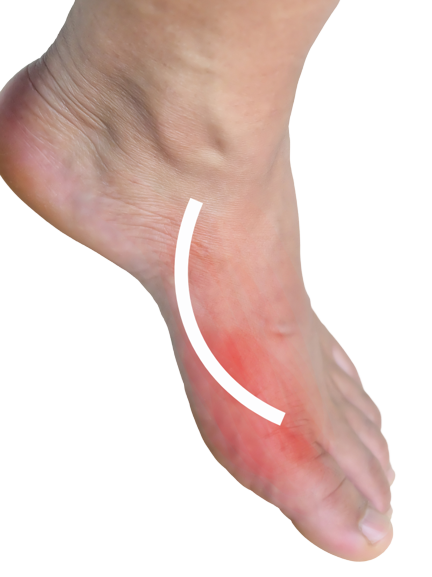
What Causes Diabetic Neuropathy?
Diabetic neuropathy is caused by high blood sugar (glucose), which damages the nerves over time. There are four main types of diabetic neuropathy.
| Type of Diabetic Neuropathy | Key Features & Symptoms |
|---|---|
| Peripheral Symmetric Neuropathy | The most common type. It affects the outer parts of the body, especially the feet and hands. Symptoms include numbness, burning or pain in the feet, increased sensitivity to touch, joint pain, and foot infections. |
| Autonomic Neuropathy | Affects the autonomic nervous system, which controls involuntary body functions such as bowel movements, sexual function, blood sugar awareness, sweating, and pupil response. Symptoms vary depending on the organs involved. |
| Thoracic and Lumbar Root (Proximal) Neuropathy | Affects nerves in the thoracic or lumbar spine. Symptoms include weakness in the legs and pain affecting the thighs, hips, or buttocks. |
| Mononeuropathy (Focal Neuropathy) | Damage to a single nerve. Cranial mononeuropathy may cause double vision or one-sided facial numbness or weakness. Peripheral mononeuropathy can cause tingling in the fingers or weakness in the hands. |
What Are the Symptoms of Diabetic Neuropathy?
How Is Diabetic Neuropathy Diagnosed?
Identifying the source of the pain is essential for recommending the right treatment and rehabilitation plan. At Singapore Paincare, our team of primary care and specialist pain doctors conducts a thorough diagnosis. This includes a physical examination, a review of your symptoms and an evaluation of your medical history. An X-ray, MRI scan or nerve conduction test may be used to evaluate or confirm the degree of diabetic neuropathy.
What Treatments Are Available for Diabetic Neuropathy?
Treatment for diabetic neuropathy focuses on two things: lowering blood sugar levels and managing pain. At Singapore Paincare, we aim to treat pain using the least invasive approach possible, after first identifying the underlying cause. Treatment may combine pharmacological options with cognitive and physical rehabilitation, to help patients improve function and reduce the chance of pain recurring.
How Can I Prevent Diabetic Neuropathy?
You can lower your risk of diabetes complications, including diabetic nerve pain, by:
- Limiting alcohol intake
- Eating a healthy, balanced diet
- Exercising regularly
- Quitting smoking
- Going for regular health check-ups with your doctor
If you already have diabetes, it’s important to manage your:
- Blood pressure
- Blood sugar
- Cholesterol
Diabetes affects an estimated 8.5% of Singapore residents aged 18 to 74, based on the National Population Health Survey 2022, and nerve damage remains one of its most common complications.³ Because diabetic neuropathy is closely linked to how well diabetes is managed, prevention and regular check-ups remain important for anyone living with or at risk of diabetes in Singapore.
Why See Pain Specialist for Diabetic Neuropathy?
Diabetic neuropathy can be difficult to manage on your own, as there are several types and no single treatment that works for everyone. A pain specialist can help identify the specific type of neuropathy affecting you, and recommend a suitable, minimally invasive treatment plan to help manage your pain.
Numbness in the feet can also make small injuries or infections harder to notice, which may lead to further complications if left unchecked. Seeing a pain specialist allows for closer monitoring of your condition, alongside your diabetes care team. At Singapore Paincare, no referral is needed to consult our pain specialists.
A Message About Diabetic Neuropathy From Our Pain Specialist
Numbness from diabetic neuropathy can extend from the toes up to the ankles and across the entire foot. It tends to be constant regardless of movement or activity, and can affect daily activities such as standing and walking. This may cause a sense of poor balance or unsteadiness, and can also disrupt sleep. Many patients describe a persistent coldness in the feet that does not respond to heat or wearing socks. This is nerve-related pain caused by nerve injury from prolonged high blood sugar exposure.
Frequently Asked Questions
References:
- Diabetic Peripheral Neuropathy. StatPearls, National Library of Medicine (NCBI Bookshelf), 2024. Available at: ncbi.nlm.nih.gov/books/NBK442009
- Hu AH, Teo M-RL. Prevalence of diabetic peripheral neuropathy in patients with type 2 diabetes mellitus at a tertiary referral centre in Singapore. Proceedings of Singapore Healthcare. 2021;30(4):265–270. Available at: journals.sagepub.com/doi/full/10.1177/2010105820978993
- Diabetes in Singapore, National Population Health Survey 2022. Diabetes Singapore. Available at: diabetes.org.sg/diabetes-in-singapore
Updated July 2026